

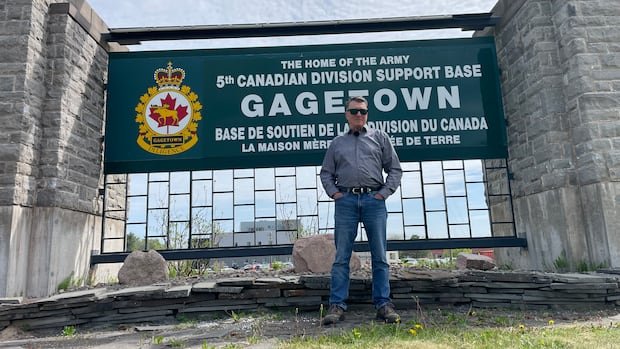

A former infantry soldier, Gary Goode, vividly recalls his time at Canadian Forces Base Gagetown almost six decades ago, where he dug foxholes and maneuvered through dense vegetation. Unbeknownst to him at the time, the U.S. military had conducted tests involving Agent Orange and other harmful herbicides on the base with Ottawa’s approval. As the 60th anniversary of this testing approaches, veterans who suspect exposure to these chemicals are still advocating for disability benefits and long-term compensation.
Concerns have been raised by some veterans, military families, and U.S. lawmakers about potential lingering effects of these herbicides in the soil as Canada undertakes the redevelopment of the base. Ottawa recently announced over a billion dollars for the modernization of CFB Gagetown as part of an overall increase in defense spending, including funds allocated for new military housing units.
Despite the planned developments, there are apprehensions among veterans, such as Goode, regarding the construction on potentially contaminated soil. The advocacy group Brats in the Battlefield shares similar concerns about the need for thorough testing and proper remediation measures before proceeding with construction.
A federal investigation conducted between 2005 and 2007 into Agent Orange and herbicide spraying at CFB Gagetown suggested that only individuals directly involved with the application of these chemicals faced potential long-term health risks. However, the findings of this investigation remain contentious among veterans and families, prompting calls for additional studies, especially in light of claims from U.S. military members who allege adverse health effects from exposure in New Brunswick.
Agent Orange, a chemical herbicide used during the Vietnam War, posed significant health risks due to its ingredients, including dioxin, a substance linked to various health issues. Goode, who developed lung cancer at 55, has struggled to obtain ongoing disability benefits despite his service-related injury claims being denied by Veterans Affairs Canada.
Maine National Guard members who trained at CFB Gagetown have also faced challenges in claiming disability benefits for illnesses they attribute to herbicide exposure. A state commission in Maine has been established to re-evaluate the 2005-2007 Canadian investigation after concerns were raised about its methodology and conclusions. The commission’s recommendations, now endorsed by the governor, propose further studies and testing at CFB Gagetown to ensure appropriate compensation for affected veterans and safeguard current military personnel from potential risks.
Experts, including Wayne Dwernychuk, advocate for continued soil studies at CFB Gagetown to assess the presence of harmful chemicals and potential risks to human health. Dwernychuk emphasizes the longevity of these chemicals in the soil, underscoring the need for ongoing monitoring and remediation efforts.
Military families, like Eileen Beauchamp’s, who resided in military housing on the base, have expressed concerns about health issues linked to their time spent in potentially contaminated areas. Beauchamp, who faced multiple cancer diagnoses, believes her illnesses stem from exposure during her childhood at Gagetown. As new military housing projects are planned, ensuring rigorous testing and remediation efforts is essential to safeguard the well-being of military families.
Despite the recent military investments, veterans like Goode feel that their concerns are sometimes overlooked once the spotlight fades. They emphasize the importance of addressing the legacy of Agent Orange exposure and ensuring the well-being of those impacted by past military activities.