

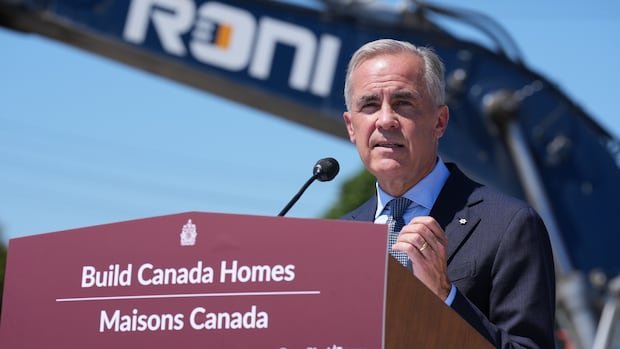

Prime Minister Mark Carney has emphasized that Canadian trade negotiators are currently engaged in discussions with their U.S. counterparts on various critical sectors, including automobiles, as the deadline for the next round of tariffs by U.S. President Donald Trump approaches. Carney expressed the importance of addressing all aspects of Section 232, the legislation utilized by Trump to levy tariffs on sectors like aluminum, steel, and auto components. This law grants the U.S. president the power to impose tariffs to safeguard American industries based on national security risks identified through a U.S. Commerce Department inquiry.
Canada’s Trade Minister Dominic LeBlanc and chief trade negotiator Janice Charette are in Washington for further meetings this week. Carney confirmed his active participation in these discussions, mentioning a potential need to counter Trump’s impending 50 percent tariffs set to take effect on August 19.
Reports from The Globe and Mail suggested talks between the two nations regarding steel and aluminum export quotas to reduce U.S. tariffs, but government sources disclosed to CBC News that this does not accurately represent the ongoing negotiations’ status. Recent meetings involved LeBlanc and Charette engaging with key figures like Jay Timmons, CEO of the National Association of Manufacturers, and Senators Kevin Cramer and Bill Hagerty.
Carney reiterated the objective of addressing all strategic sectors and Section 232 concerns, emphasizing the importance of constructive negotiations on various issues. As the U.S. plans to implement significant tariffs on a portion of Canadian exports in August, the focus remains on resolving trade disputes to mitigate potential economic impacts.
Acknowledging the U.S. trade deficit as a pressing concern, U.S. Trade Representative Jamieson Greer defended the proposed tariffs as part of a broader strategy to address this issue. Carney highlighted the necessity for a firm response to potential tariffs, indicating a willingness to toughen Canada’s stance if needed.
Recent interactions between Carney and Trump have led to an escalation of trade discussions, with efforts to engage the U.S. administration in negotiations. While Carney remains open to retaliation if necessary, he emphasized the avoidance of leveraging Canadian energy exports as a bargaining tool. Despite Canada’s efforts to address trade issues listed by the U.S., including policy adjustments in digital services and content levies, progress in negotiations appears limited.
Greer acknowledged Canada’s actions to address trade concerns but noted that reversing previous decisions may not fully alleviate tensions. The focus remains on navigating trade negotiations effectively to safeguard economic interests and foster constructive trade relations between Canada and the U.S.