

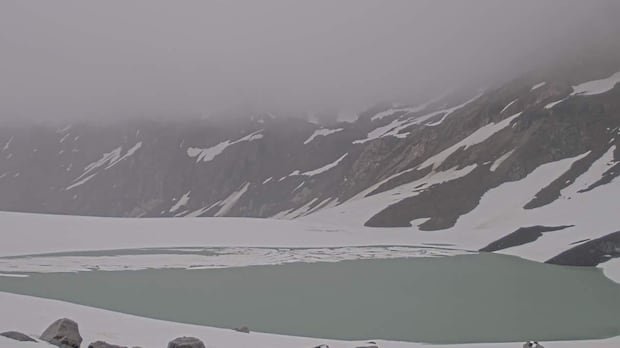

Residents near British Columbia’s Place Glacier face annual evacuations due to the threat of a glacial lake overflowing and unleashing a surge of meltwater and debris toward their homes. The glacier, like many others in Western Canada and globally, is retreating at an alarming rate due to rising temperatures and changing weather patterns fueled by climate-damaging fossil fuel emissions. This situation poses a heightened risk to the 15 million people worldwide living downstream from glacial lakes.
Experts emphasize the urgent need for collaboration among governments, scientists, and communities to safeguard lives and properties in the face of these mounting hazards. Rodrigo Narro Pérez from McMaster University underscores the necessity of adapting to climate change and uniting efforts to address these vulnerabilities effectively.
Glacial lake outburst floods (GLOFs) occur when natural dams, such as moraines, fail or when accumulated meltwater breaches the barrier due to rapid snowmelt, heavy rainfall, or landslides. The Place Glacier features an ice-marginal lake, where the glacier itself acts as a dam, reforming annually. As water levels rise and drain beneath the ice wall, the risk of outburst floods escalates.
Efforts to protect communities from GLOFs include building concrete spillways or excavating channels to lower water levels, albeit at significant financial costs. However, implementing such measures at Place Glacier might prove challenging and unsustainable in the long term. Effective monitoring systems are crucial in providing timely warnings to populations at risk.
Climate change intensifies the threat of glacial lake floods, with glaciers in British Columbia and Alberta experiencing substantial ice loss in recent years. The rise in global temperatures, coupled with changing precipitation patterns, contributes to the melting of glaciers and the formation of more glacial lakes. This evolving landscape underscores the importance of increased government funding for glacier monitoring to mitigate the risks posed by climate change-driven glacial lake outburst floods.