


On June 21, 2021, Nicole Link, a seasoned yarn spinner at a textile fibre mill in Kamloops, B.C., found the heat unbearable. The temperature soared to 34.1 C that day, causing extreme conditions inside the mill. Link, aged 47 at the time, suffered from dehydration and heat sickness, ultimately blacking out. Rushed to the emergency room, she was diagnosed with heat stroke and placed in an induced coma at Royal Inland Hospital.
This incident marked the onset of the 2021 western heat dome, recognized as one of the most fatal weather occurrences in Canadian history. Environment Canada forecasters first noticed the impending heat wave in mid-June, closely monitoring the situation as temperatures escalated. A heat warning was issued on June 23 as a warm air mass settled over the region due to a stubborn high-pressure system.
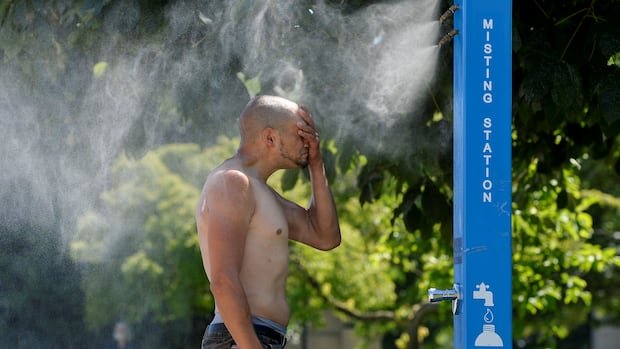
By June 26, temperatures peaked, with Kamloops reaching a scorching 47.3 C. The prolonged heatwave forced residents like Tamryn Fudge to seek refuge indoors, enduring sweltering conditions. The unrelenting heatwave led to a surge in emergency calls, overwhelming paramedics like Ian Tait, who described the situation as unprecedented.
The extreme temperatures persisted, setting records in various regions, including Lytton, which hit a staggering 49.6 C on June 29. Tragically, the village was engulfed in flames on June 30, leading to its complete destruction and claiming two lives. The heat dome’s toll extended to at least 619 heat-related deaths in the province, predominantly affecting those aged 70 and above living alone without adequate cooling.
Five years post the catastrophic event, British Columbia has implemented measures to enhance preparedness for extreme heat, including the establishment of cooling centers and stricter building codes. The Ministry of Emergency Management and Climate Readiness was founded in 2022 to address climate-related emergencies, emphasizing the need for proactive measures in the face of escalating climate change impacts.