
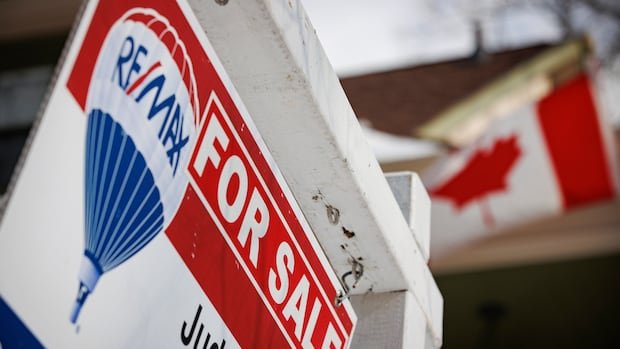

The conflict in the Middle East is impacting an unexpected area for many Canadians: the cost of certain mortgages. Recently, there has been a 0.5% increase in three- and five-year fixed mortgages within a short period, as reported by Toronto-based mortgage broker Marshall Tully. Tully expressed concern that this trend may persist in the future.
According to the Canada Mortgage and Housing Corporation (CMHC), approximately 1.4 million mortgages are set to be renewed by the end of the year, representing around 23% of all mortgages. Many individuals who are up for renewal had previously enjoyed lower rates in 2021 and are now facing potential rate hikes.
Tully explained that fixed-rate mortgages have experienced rapid increases due to their connection to bond yields, which can fluctuate based on global events like conflicts. The recent address by U.S. President Donald Trump did not provide clear insights on the duration of the conflict, leading some lenders to raise rates following the speech.
The ‘uncertainty premium’ in mortgage rates is influenced by various factors, including the Bank of Canada’s key interest rate, which has remained at 2.25% since October 2025. Economic forecasts have shifted due to ongoing conflicts and trade tensions, impacting fixed-rate mortgages in Canada.
Despite the uncertainties, experts anticipate potential Bank of Canada rate hikes in response to rising inflation and global economic conditions. Mortgage holders are advised to consider locking in new rates and exploring rate hold options to mitigate risks associated with fluctuating rates.
Looking ahead, it may take time for oil and gas prices to stabilize even if the conflict ends soon, leading to prolonged inflationary pressures. Financial planning and communication with lenders are recommended to navigate the evolving mortgage landscape effectively and secure favorable terms amid economic uncertainties.