
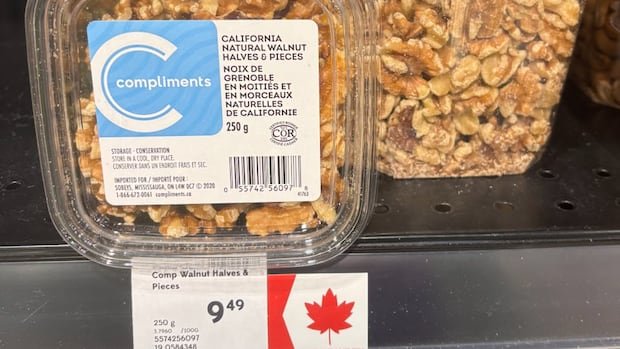

In the aftermath of the Buy Canadian movement, major grocery retailers Loblaw and Sobeys are under increased scrutiny for “maple washing,” which involves marketing imported products as domestically produced. The Canadian Food Inspection Agency (CFIA) penalized two Loblaw-owned stores with $10,000 fines each in January for maple washing, with two other stores receiving warnings a month later.
Sobeys has also come under CFIA’s radar, facing multiple complaints regarding maple washing. Following an investigation into Sobeys’ advertising practices, the CFIA took no punitive action as corrective measures were implemented. Sobeys has seemingly removed the red maple leaf symbol introduced last year to highlight Canadian products in its stores.
Consumer advocate Jay Jackson believes that the ongoing CFIA investigation may have prompted Sobeys to eliminate the symbol to avoid scrutiny. Shoppers are increasingly dissatisfied with maple washing instances and are urging stricter penalties for violators, as misrepresentation of Canadian products is a significant concern.
While the CFIA has identified 127 cases of imported goods being promoted as Canadian since the beginning of 2025, only two fines have been issued, both to Loblaw stores. Steve Palmer, who lodged multiple complaints about maple washing, expressed disappointment in the lack of penalties for such deceptive practices.
Federal regulations mandate accurate and non-misleading food labeling. CFIA fines are determined based on various factors, including risk level and past compliance. Loblaw received fines for mislabeling foreign products as Canadian, whereas warnings were issued to other stores for similar violations.
Calls for stricter enforcement and higher fines have emerged, especially as current penalties are limited by legislation. The maximum penalty under the Safe Food for Canadians Act is $15,000 per violation, significantly lower than fines under the Competition Act, which can reach up to $10 million for misleading advertising.
Efforts to combat maple washing are ongoing, with consumers encouraged to report deceptive practices to regulatory authorities for further investigation. Both the CFIA and the Competition Bureau play crucial roles in ensuring fair and accurate product representation in the marketplace.