


A Toronto-based startup, Aurmada, is at the forefront of incorporating AI technology into clothing and footwear, joining a growing trend in the industry. The company, led by CEO Zavosh Zaboliyan, is exploring ways to make clothing interactive by integrating AI features that can monitor various aspects like individual walking patterns and proximity awareness.
According to a recent survey by Leger, nearly 40% of Canadians own wearable technology, with smartwatches dominating the market. However, Zaboliyan believes that clothing will soon see a similar integration of technology beyond just accessories, keeping pace with our technological advancements as a society.
The inspiration behind Aurmada’s creation stems from Zaboliyan’s personal experience with a car accident injury, where he saw the need for real-time feedback on his gait to aid in his rehabilitation process. By integrating AI into clothing, the company envisions features like vital sign monitoring, movement tracking, and object detection, potentially providing valuable health insights or enhancing safety measures.
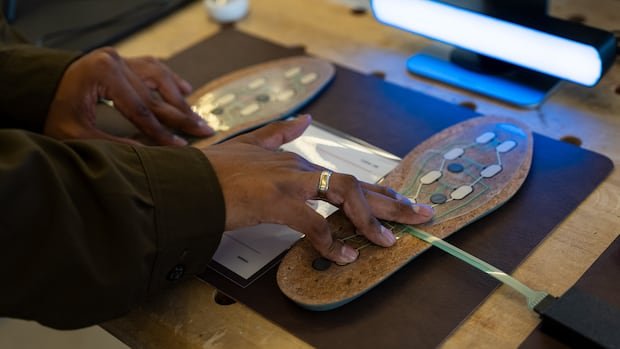
Aurmada showcased its innovative designs, such as shoe sole sensors for weight distribution analysis and AI-powered clothing with embedded sensors that act as virtual assistants. The company is also experimenting with fabrics containing metals like copper and silver to shield sensors from external interference, with plans to incorporate solar panels for powering the technology.
In addition to high-tech products, Aurmada is developing “low-tech” solutions like a vest with heating and cooling capabilities and jackets with built-in fans. While these are still prototypes, the company has already introduced non-AI-enhanced products like bulletproof shirts and electrically conductive socks for muscle stimulation.
The fusion of technology and fashion is not new, with designers continually exploring innovative ways to merge the two worlds. Initiatives like the Fashion Institute of Technology’s DTech Lab in New York have seen students creating interactive garments that respond to external stimuli, such as colour-changing threads or fabrics that provide a comforting hug based on AI-monitored stress levels.
Looking ahead, Aurmada aims to target industries like security, defense, and manufacturing, where AI-enhanced clothing could enhance safety measures by identifying potential threats or blind spots. Despite the promising potential of AI in clothing, challenges related to privacy concerns and data collection may hinder widespread adoption in the near future, according to industry experts.
While the road to mainstream adoption of AI-enhanced clothing may be long, the collaboration between fashion and technology innovators could lead to more stylish and functional wearable technology in the coming years, bridging the gap between utility and fashion in the industry.