
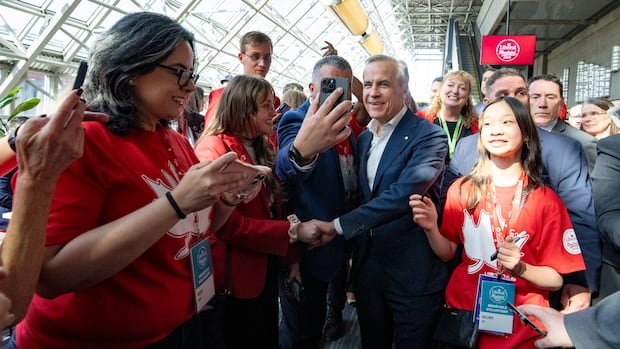

At the Liberal convention, Marilyn Gladu, once viewed as socially conservative, clarified her stance on key issues. She expressed support for pro-choice rights and denounced conversion therapy. Gladu emphasized her commitment to women’s rights, stating her readiness to align with the government and protect freedoms for all individuals.
Questions arose regarding Gladu’s past positions, including her views on abortion, vaccine skepticism, support for the trucker convoy, opposition to cannabis legalization, and stance on conversion therapy legislation. Despite having previously identified as “personally pro-life,” Gladu indicated her support for abortion services.
During her brief bid for Conservative leadership in 2020, Gladu mentioned potential restrictions on abortion through private member’s bills. However, she later clarified her opposition to conversion therapy and affirmed her support for the LGBTQ+ community.
Gladu’s decision to join the Liberals stirred reactions, with constituents and party members seeking clarity on her motives. She highlighted the importance of addressing her constituents’ needs, including affordable housing.
Attendees at the convention expressed varying opinions on Gladu’s move, with some adopting a wait-and-see approach. Prime Minister Mark Carney emphasized the importance of upholding core Liberal values, particularly on issues such as abortion and same-sex marriage.
Fellow floor-crosser Matt Jeneroux supported Gladu’s decision, underlining her alignment with the prime minister’s agenda. Pollara’s chief strategy officer acknowledged the risks involved in welcoming Gladu, given her past stances, ahead of crucial byelections.
The convention discussions also touched on global issues, such as the U.S.-Iran relations and economic uncertainties. Carney’s address aimed to address Canadians’ concerns amid ongoing challenges. Keynote speakers included prominent figures like Finance Minister François‑Philippe Champagne and Man in Motion founder Rick Hansen.
The convention agenda featured debates on various policy proposals, covering healthcare, the economy, and social media regulation. With an expected turnout of 4,500 attendees, including a significant number of first-time participants and youth delegates, the Liberal convention aimed to engage members in shaping the party’s future direction.