


Wildlife advocates express disappointment over the recent approval by Ottawa for the emergency use of strychnine in Alberta and Saskatchewan, which contradicts a previous decision to reject its use. Lia Laskaris, CEO of Animal Alliance of Canada, criticized the decision, stating that it goes against a holistic approach to health that the government should prioritize.
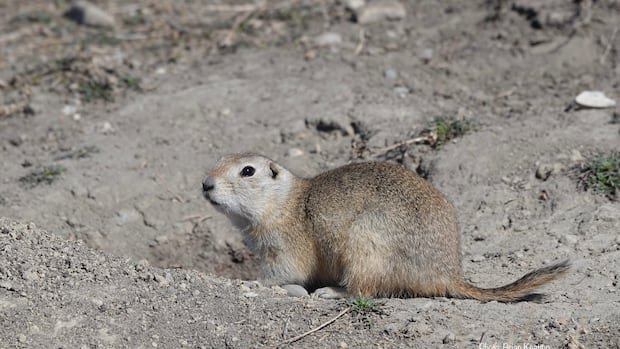
Health Canada recently granted permission for the limited emergency use of strychnine to combat a significant infestation of Richardson’s ground squirrels, also known as gophers, until November 2027. This decision came after the Pest Management Regulatory Agency initially turned down a similar proposal earlier this year due to concerns about the impact on wildlife, including endangered species like the swift fox and burrowing owl.
While acknowledging the agricultural challenges posed by the ground squirrels, Laskaris emphasized the importance of considering the risks to non-target species from strychnine poisoning. Animal Justice also criticized Health Canada’s decision, calling it a reversal of earlier findings that highlighted the dangers of using strychnine on animals and the environment.
In response, Health Canada stated that the revised request from the provinces included additional measures to mitigate environmental risks to an acceptable level. Alberta’s Minister of Agriculture and Irrigation, RJ Sigurdson, welcomed the decision, noting that it provides farmers with another tool for gopher control. The provinces are now preparing to implement the use of strychnine as soon as possible.
Despite the approval, conservation specialist Ruiping Lui from the Alberta Wilderness Association expressed disappointment, pointing out that there are alternative methods to manage gopher populations without resorting to poison. These alternatives include encouraging natural predators like badgers, coyotes, and ferruginous hawks to control the ground squirrel population.
Colleen Cassady St. Clair, a professor at the University of Alberta, suggested a method involving injecting carbon monoxide or dioxide into ground squirrel burrows as a more humane and environmentally friendly solution. She emphasized the importance of sharing the costs of pest management and urged exploration of non-lethal options to address the gopher issue sustainably.