

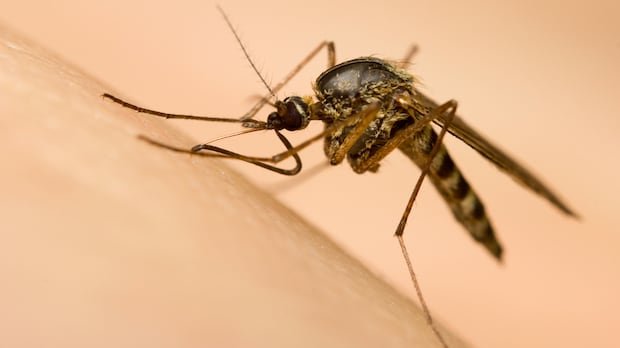

Recent heavy rainfall in Edmonton has led to a surge in mosquito populations, with hordes of newly-hatched mosquitoes expected to take flight soon. City of Edmonton’s senior scientist and pest management coordinator, Mike Jenkins, reported that this spring already witnessed the highest local mosquito populations in several years. The continuous heavy rains in early June, combined with a severe downpour over the past weekend, are anticipated to further boost mosquito numbers.
The saturated ground from the rainfall is creating ideal breeding conditions for mosquitoes, potentially resulting in multiple overlapping generations. Jenkins explained that due to years of drought in Edmonton, dormant mosquito eggs are now hatching, with females gearing up to seek blood meals within a week. The rainy weather is activating eggs that have been lying dormant for up to a decade, setting the stage for a significant increase in mosquito activity.
Although mosquito numbers have been relatively low in recent years due to dry weather and a depleted mosquito egg supply, the current conditions are conducive to rapid population growth. City crews are actively targeting known mosquito breeding habitats to control the burgeoning mosquito numbers. Jenkins emphasized the importance of proactive measures such as covering up and eliminating standing water to prevent mosquito breeding on private properties.
The city’s mosquito traps have already detected a significant rise in mosquito numbers, indicating a potential increase in mosquito activity. Jenkins warned Edmontonians about the presence of a new mosquito species, Culex pipiens, which can carry the West Nile virus. This species, identified in Edmonton in 2018, prefers laying eggs in standing water, making neglected containers potential breeding grounds.
The city’s mosquito control program focuses on eradicating mosquito larvae before they mature, primarily targeting disease-carrying species using biological larvicides. The program aims to reduce disease transmission risks posed by mosquitoes while maintaining ecological balance. Jenkins highlighted that despite the nuisance of mosquito bites, mosquitoes primarily feed on birds rather than humans.
As the mosquito season progresses, Aedes vexans is expected to remain the predominant species in Edmonton, known for its dusk and dawn biting habits. Jenkins cautioned that the upcoming mosquito population is likely to consist mainly of Aedes vexans, notorious for its stealthy biting behavior targeting ankles.