


CIA Director John Ratcliffe engaged in discussions with Cuban officials, including Raúl Castro’s grandson, during a recent visit to the island, as confirmed by both Cuban and U.S. sources. The meetings involved talks on intelligence collaboration, economic stability, and security matters. An official from the CIA corroborated these interactions with the Associated Press.
Ratcliffe’s mission was to convey President Donald Trump’s message that the U.S. is open to addressing economic and security issues with Cuba, contingent upon significant reforms by the Cuban government. Cuba’s official statement acknowledged the complexity of their bilateral relations during Thursday’s meeting.
While emphasizing that Cuba should not harbor threats in the Western Hemisphere, the U.S. underscored concerns, which the Cuban delegation refuted by asserting that Cuba does not pose a security risk to the U.S. Moreover, Cuban officials expressed discontent with their continued designation as a state sponsor of terrorism by the U.S.
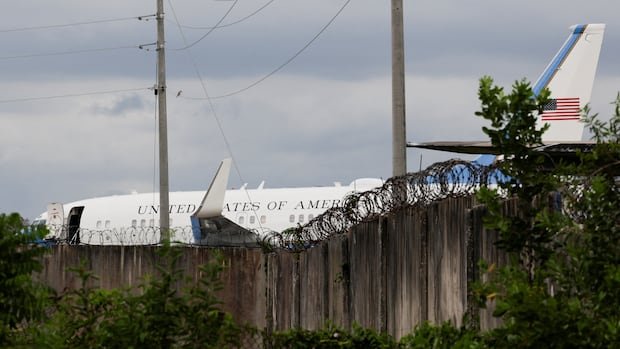
Raúl Guillermo Rodríguez Castro, who previously held roles including his grandfather’s bodyguard and head of Cuba’s security services, had a clandestine meeting with U.S. Secretary of State Marco Rubio in February. Earlier this year, U.S. and Cuban officials convened in Cuba, marking the first U.S. government flights to land in Cuba aside from Guantanamo Bay since 2016.
Recent tensions between the U.S. and Cuba have escalated due to the U.S. energy embargo on Cuba, exacerbated by a recent collapse of Cuba’s power grid affecting its eastern regions. The blockade has exacerbated economic challenges, leading to reduced working hours and food spoilage due to power outages.
The U.S. State Department reiterated its commitment to providing $100 million in humanitarian aid and satellite internet support to Cuba, subject to the Cuban regime’s approval. In response to threats of tariffs on oil suppliers to Cuba by President Trump, Cuban President Miguel Díaz-Canel asserted readiness to defend the country if necessary, although reports suggest no imminent military intervention.