


A recent study by the World Weather Attribution (WWA) revealed that the wildfires in Canada, particularly in Ontario and the Northwest Territories, were significantly influenced by human-induced climate change, making them twice as likely to occur. The fires, which have already burned over 3.8 million hectares and displaced thousands of individuals, have become more frequent and intense due to the impact of climate change.
According to the analysis, this year’s wildfire event is no longer considered rare in today’s climate, occurring more frequently than in the past. The study showed that such events are now expected to happen once every six to 15 years in Ontario and once every two to six years in the Northwest Territories. In the absence of climate change, these occurrences would have been much less frequent, happening less than once every 40 years.
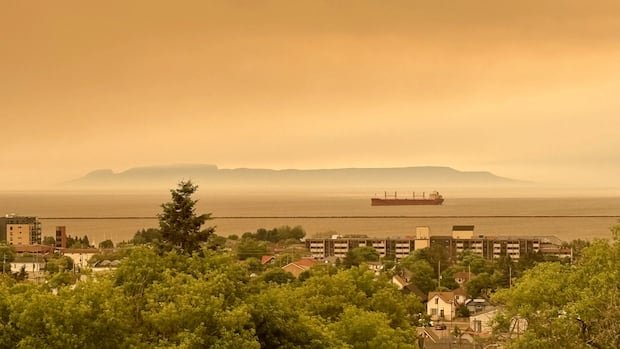
The devastating effects of the wildfires extended beyond the immediate regions, with smoke traveling thousands of kilometers and affecting millions of people in southern Ontario, the U.S. Midwest, and the northeast. The fires spread rapidly, with a significant portion of the total area burned occurring in a short period in late June and July.
The study emphasized the urgent need to transition away from fossil fuels to mitigate the impact of climate change and reduce the frequency and severity of wildfires. Experts highlighted that the prolonged fire seasons in Canada, exacerbated by a warming climate, have contributed to the increased intensity of wildfires in recent years. Indigenous communities, in particular, are disproportionately affected by the repeated wildfires, leading to physical and mental health challenges.
The researchers underscored the global nature of the issue, emphasizing that greenhouse gas emissions are not just a local concern but a global crisis. As the wildfires continue to ravage landscapes and impact communities, the call to address climate change and its consequences becomes more urgent than ever.