
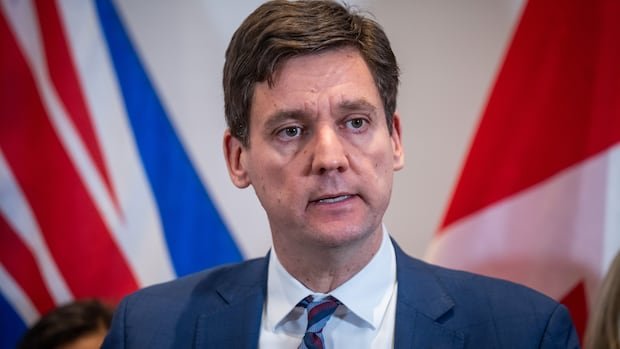

British Columbia Premier David Eby has disclosed his intention to implement a “temporary pause on a number of sections” of the Declaration on the Rights of Indigenous Peoples Act (DRIPA) for a period of up to three years during a meeting with First Nations leaders on Thursday. This proposal comes in response to concerns raised by Indigenous leaders regarding draft amendments to the significant reconciliation legislation. Premier Eby acknowledged the objections from First Nations leaders, who were opposed to the initial government-drafted changes to the law, which they felt were rushed and not collaborative.
During a virtual meeting lasting one hour and 45 minutes, Premier Eby discussed a proposal aimed at addressing leaders’ worries about preserving the act while safeguarding the province from legal risks resulting from recent court rulings, particularly the Gitxaała decision. Although specific details of the paused sections were not provided, Eby clarified that Sections 6 and 7 of the act would not be subject to the pause.
Indigenous leaders have been exerting pressure on Premier Eby over the draft amendments to DRIPA, which they argue would weaken the legislation and backtrack on reconciliation efforts in British Columbia. The proposed amendments, shared with some chiefs on March 23, included altering the act’s purpose statement and removing references to aligning laws with the United Nations Declaration on the Rights of Indigenous Peoples. These changes were met with criticism and concerns from Indigenous leaders.
Judith Sayers, president of the Nuu-Chah-Nulth Tribal Council, highlighted that Premier Eby is now suggesting amending DRIPA to temporarily suspend contentious provisions for up to three years or until the Supreme Court of Canada addresses relevant court cases. Eby emphasized the amendments are essential in response to two court decisions that the government is appealing: the Cowichan Tribes decision and the Gitxaała First Nation ruling.
The NDP government will need to introduce amendments to suspend the relevant sections, potentially leading to a confidence motion and the risk of government dissolution if not passed. Premier Eby remains resolute in his stance on the amendments, assuring that his caucus is unified and committed to presenting the proposed changes for debate in the upcoming spring session.
First Nations leaders have offered varied responses to the premier’s proposal. While some express dissatisfaction with any regression on reconciliation efforts, others like Huu-ay-aht First Nations Chief Coun. John Jack find some comfort in the proposed adjustments. Opposition leader Trevor Halford voiced disappointment and opposition to the proposal, advocating for the complete repeal of the legislation. The Green Party has indicated they will evaluate their response to the written proposal and will not support amendments that are vehemently opposed by Indigenous leaders to avoid potential legal conflicts.
As the situation unfolds, First Nations leaders are anticipating receiving the formal proposal next week, with potential ramifications on government stability depending on the outcome of the proposed amendments.