

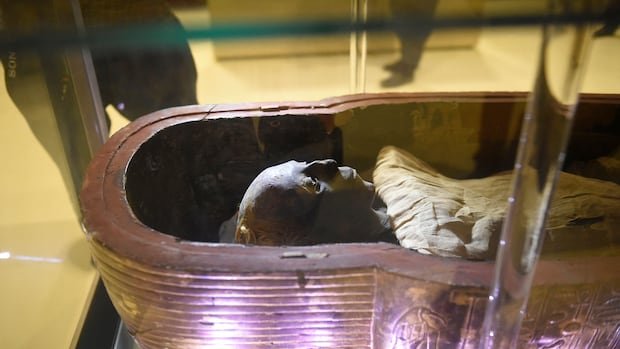

Researchers have shed light on the presence of preserved human remains being sold online, highlighting potential health risks associated with this niche market. A study published in the International Journal of Cultural Property analyzed 128 web posts from 2015 to 2025 showcasing the sale of mummified remains from humans and animals.
Lead author Kirsty Squires, a bioarchaeology professor at the University of Staffordshire, noted that mummified heads, hands, and feet were commonly advertised in these online listings. The researchers cautioned that these preserved body parts may contain dormant microorganisms, including bacteria and fungi, which could pose health concerns if not handled properly.
Safe Handling Practices
The study emphasized the importance of proper storage conditions for mummified remains to prevent deterioration. Squires pointed out that while museums maintain controlled environments for such artifacts, those kept in homes or other unregulated settings may pose risks due to exposure to harmful microorganisms.
Handling mummified remains without precautions could release fungal spores and bacteria into the air, potentially affecting individuals, especially those with compromised immune systems. Additionally, some mummified body parts may carry toxic chemicals like arsenic and mercury from historical embalming fluids.
Historical Precedents
Although the study did not document specific cases of illness from handling such remains, historical incidents like the deaths of conservation scientists in 1973 due to mould exposure highlight potential dangers. Notably, the mysterious deaths linked to the opening of King Tutankhamun’s tomb have sparked speculation about the risks associated with ancient human remains.
While concerns about health hazards remain, some experts, like Professor James Scott, stress the ethical implications of trading in human remains. He suggested that for collectors who handle such items cautiously, the health risks may be minimal.
Canadian Market Insights
Among the online posts reviewed, 11 originated from Canada, reflecting the presence of a market for mummified human remains in the country. Shawn Graham, a digital archaeology professor, highlighted the lack of regulation in the trade of human remains in Canada, where sellers may exploit loopholes in shipping regulations.
Authorities like the Canadian Border Services Agency and Canada Post have restrictions on shipping human remains, permitting only cremated remains under specific conditions. However, private courier services like Purolator and UPS explicitly prohibit the shipment of human remains.
Despite these restrictions, sellers may mislabel packages to avoid detection, raising concerns about the safety of postal workers and potential risks associated with mishandling mummified remains.
Debating the Legality
The trade in human remains, particularly mummified artifacts, has prompted calls for stricter regulations and even bans on online sales. Critics argue that such practices perpetuate colonialism and commodify human bodies, advocating for legal measures to restrict the trade of human remains.
While legislative actions have been proposed in the UK to ban the online sale of human remains, experts like Graham urge Canada to consider similar laws to curb the trade and preserve ethical standards in dealing with human remains.
Tag: rewrite-pending