

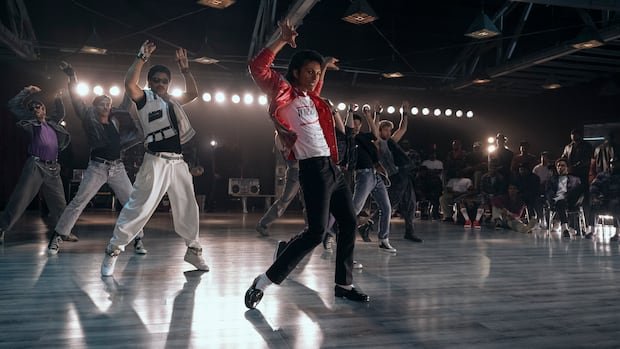

A deep dive into the mysteries surrounding Michael Jackson’s persona, struggles with fame, and lost childhood is not what you’ll find in Antoine Fuqua’s latest biopic, “Michael.” Instead of delving into the complexities of the iconic King of Pop, the film opts for a surface-level portrayal focusing on MJ’s rise to stardom, avoiding controversial aspects due to legal constraints.
Initially tackling allegations of sexual abuse, the film was forced to undergo significant reshoots, resulting in a narrative that steers clear of any contentious issues. The absence of key figures like Janet Jackson, and the exclusion of certain historical events, further detracts from the film’s potential for introspection and depth.
While Michael Jackson was acquitted of criminal charges related to sexual assault, his estate vehemently denies any wrongdoing. However, the biopic fails to present a balanced view, portraying characters in a simplistic manner and omitting crucial details from Jackson’s life story. The film follows a trend in music biopics of glorifying their subjects rather than exploring their complexities, painting them as almost mythical figures.
Questions about Jackson’s persona and relationships are briefly touched upon, overshadowed by a focus on his virtuous image. The film sidesteps controversial aspects of Jackson’s life, opting for a more sanitized portrayal that overlooks the darker complexities of his character. In doing so, it misses an opportunity for genuine character exploration and critical examination of Jackson’s legacy.
While some argue that presenting a positive image of Jackson serves a purpose, critics contend that glossing over troubling aspects perpetuates a lack of accountability in storytelling. The reluctance to address the darker facets of Jackson’s life reflects a broader societal tendency to shield powerful figures from scrutiny, hindering a more nuanced understanding of his legacy.