

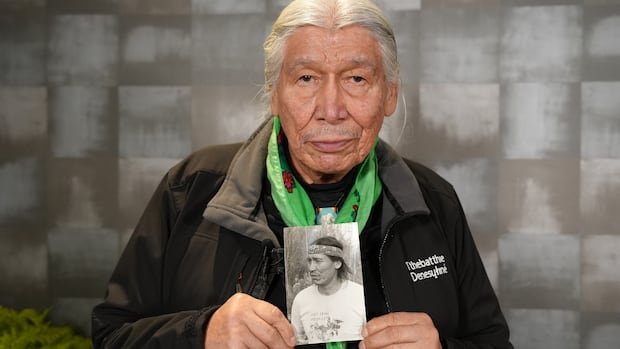

In the 1970s, François Paulette, a Denesuline elder and chief of Smith’s Landing First Nation, encountered a suspicious man named “Bob” who arrived unannounced in a Datsun pickup truck in Yellowknife. Bob, who advocated for militant actions against the Mackenzie Valley Pipeline, raised concerns with his erratic behavior and possession of a military-style mess kit. This encounter led Paulette to suspect surveillance and was later confirmed by a declassified RCMP Security Service dossier revealing informants targeting Dene leaders. The extensive probe, initiated in 1973 and escalated in 1976, aimed to monitor and disrupt Indigenous organizations like the Dene Nation.
The documents unveiled a network of informants, including paid spies, within the Dene community. The Security Service’s infiltration and surveillance tactics, inspired by fears of radical movements and influenced by events like the Wounded Knee occupation, targeted Indigenous leaders advocating for land and treaty rights. The Mounties’ covert operations extended to break-ins, wiretapping, and discrediting campaigns, creating a climate of paranoia and distrust among Dene leaders.
The Security Service’s “Native extremism” program, including Operation Checkmate, highlighted the RCMP’s efforts to undermine legitimate Indigenous movements. The destruction of incriminating files and ongoing surveillance practices left a lasting impact on Dene leaders, fostering a culture of vigilance and suspicion. Despite the challenges faced during this tumultuous period, Indigenous leaders like François Paulette remain resilient and seek closure by symbolically burning the intelligence dossier, marking the end of a turbulent chapter in their history.