

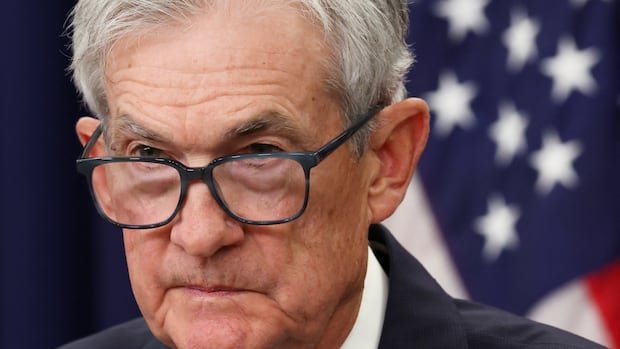

Jerome Powell announced on Wednesday his intention to continue serving on the U.S. Federal Reserve board even after his term as chair concludes next month. Powell expressed concerns about the unprecedented legal challenges from the Trump administration, which he believes threaten the independence of the central bank.
By choosing to stay on as a governor, Powell is breaking a longstanding tradition, as no Fed chair has remained on the board since 1948. This decision prevents President Trump from appointing a new member to the seven-person governing board. The Senate Banking Committee had previously approved Kevin Warsh, Trump’s nominee to succeed Powell as chair, in a party-line vote.
Powell is expected to serve as a Fed governor until possibly January 2028, taking over the seat currently held by Stephen Miran, who was appointed by Trump and whose term ended in January.
The decision by Powell to stay on may complicate Warsh’s efforts to implement rate cuts demanded by Trump, as economists suggest it could delay Warsh’s ability to build consensus within the board. However, the U.S. Attorney for the District of Columbia announced the end of the criminal probe into the Fed’s building renovations, with the possibility of reopening the investigation pending the findings of the Fed’s inspector general.
Despite assurances from the Justice Department that the probe will not be reopened without evidence of criminal activity, Powell expressed a need for a definitive and transparent conclusion to the investigation before deciding on his departure.
Following the Fed’s recent meeting, where it maintained the benchmark interest rate unchanged for the third consecutive time, Powell’s decision to extend his tenure could further strain relations with the Trump administration. This move could potentially lead to increased divisions among policymakers, with analysts referring to a potential “two Popes” scenario on the Fed’s board.
Powell emphasized the importance of the Fed’s independence from political influence in setting rates to benefit the public. He highlighted the ongoing challenges to the central bank’s autonomy and reiterated the necessity of making monetary policy decisions without external pressures.
The decision by Powell to remain on the board has sparked mixed reactions, with some questioning the impact on the Fed’s operations and the dynamics within the institution. Despite concerns raised by various parties, Powell stated his commitment to upholding the integrity and independence of the Federal Reserve.