

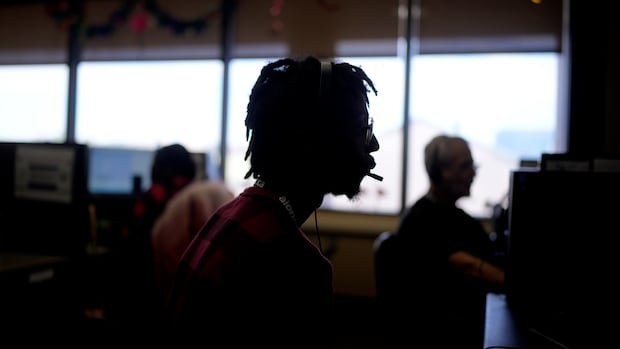

Telecom workers are advocating for government limitations on the utilization of artificial intelligence within the industry, citing concerns that the technology is being employed to oversee employees and alter the accents of call center workers from abroad. The Canadian Telecommunications Workers Alliance presented its worries about AI on April 30 during a session at the House of Commons’ standing committee on industry and technology in Ottawa.
The alliance, which comprises three major unions in the sector – Unifor, the United Steelworkers union, and the Canadian Union of Public Employees – represents 32,000 employees in Canada’s telecom industry, including those at Bell, Rogers, and Telus. During his opening statements, Roch Leblanc, Unifor’s telecommunications sector director, disclosed that at least one company was using AI to mask the accents of overseas agents, potentially misleading Canadians into believing they were interacting with domestic staff, unbeknownst to the fact that the jobs had been outsourced.
Approximately 20,000 jobs in the telecom sector have been lost in the past decade to automation and offshoring, as highlighted by Leblanc, who expressed concerns that the integration of artificial intelligence could exacerbate this trend. AI is notably prevalent in the telecommunications field, where it is utilized for monitoring employees, such as tracking technicians’ movements and measuring task completion times.
Moreover, AI is capable of scrutinizing call center dialogues word-for-word to redirect calls or identify trends related to sales and subscriptions. Leblanc urged for government restrictions on AI-based surveillance practices, citing the increased psychological stress and workload intensification it causes.
Nathalie Blais, a research advisor at the Canadian Union of Public Employees, emphasized the intrusive nature of AI technology, advocating for its ethical and beneficial application rather than methods that could lead to deception or job displacement. The alliance proposed the establishment of a permanent federal working group on artificial intelligence to foster collaborative efforts among government, industry, and civil society in determining the appropriate implementation of the technology.
Additionally, the alliance pushed for enhanced safeguards for workers’ job security, rights, and the protection of Canadians’ data. Minister of Artificial Intelligence Evan Solomon affirmed on Monday that the forthcoming national AI strategy by the federal government would assess the impact on the labor market.