


Canadians are being cautioned about a gradual incursion of ticks from the United States, carrying dangerous pathogens and seeking to establish themselves in Canada. Over 40 tick species are already present in the country, with the blacklegged tick, known for transmitting Lyme disease, being the most familiar. Symptoms of Lyme disease include fever, fatigue, and a distinctive rash. The newly launched Canadian Tick Research and Innovation Centre at Acadia University in Wolfville, N.S., under the supervision of Nicoletta Faraone, aims to study and address ticks and tick-borne diseases.
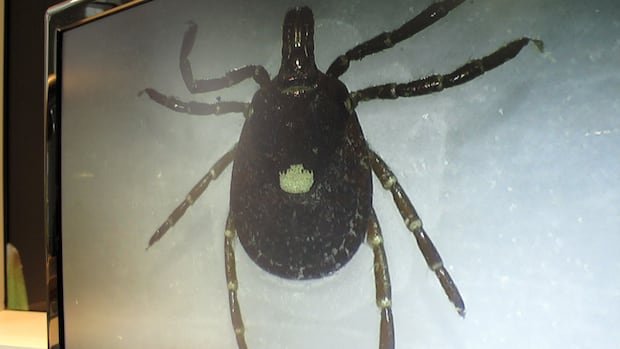
Experts warn that various tick species from the northern U.S. are migrating towards Canada at a pace of about 50 kilometers per year. The lone star tick, a concern due to its ability to cause a meat allergy in people it bites, has yet to establish itself in Nova Scotia. Patty O’Brien-Carrier from Harpswell, Maine, suffered a severe meat allergy after being bitten by a lone star tick, emphasizing the importance of tick awareness.
The Acadia research facility is conducting studies on ticks, including the lone star tick, to enhance understanding and develop strategies against them. Tim Marsh, a beef farmer, is taking precautions to protect his cattle from ticks, which can cause anemia and potentially lead to death in livestock. Faraone stresses the importance of tick prevention measures and the need for more tick-repelling products, especially for rare tick-borne diseases like the Powassan virus.
As ticks continue to pose a threat, simple precautions such as covering exposed skin and conducting regular tick checks are recommended. Vigilance and education are key in combating the risks associated with ticks in Canada.