


The 2016 federal NDP convention in Edmonton witnessed two significant events: the removal of Tom Mulcair as party leader and a clash of ideologies between Alberta Premier Rachel Notley and supporters of the Leap Manifesto. Notley, leading Alberta’s inaugural NDP government, aimed to demonstrate responsible development of the province’s key industry within a framework to reduce greenhouse gas emissions. In contrast, the Leap Manifesto, emerging the previous year, criticized extraction practices and opposed oil and gas pipelines.
Addressing the convention, Notley highlighted her government’s accomplishments and ongoing initiatives, such as a progressive tax system, increased healthcare and education funding, a raised minimum wage, and a climate policy she deemed pivotal in combating climate change. Notley emphasized the importance of transitioning from manifestos to actionable plans achievable through electoral victories.
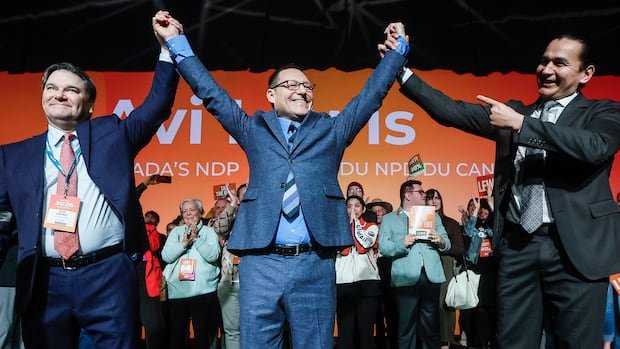
Shortly after the convention, Notley criticized the Leap Manifesto as “naive,” “ill-informed,” and “tone deaf.” A decade later, the NDP elected Avi Lewis, the primary author of the manifesto, as their leader. Lewis, a former TV host and journalist, vowed to revitalize the federal NDP’s relevance, sparking questions about his potential impact on provincial NDP factions.
Provincially, the NDP faces contrasting fortunes. While the federal NDP struggles for relevance, provincial branches hold power in British Columbia and Manitoba and serve as the opposition in several other provinces and territories. Lewis’s anti-fossil fuel stance, including opposition to new pipeline projects, has drawn criticism from provincial NDP leaders, signaling potential divisions within the party.
Lewis’s platform centers on populist socialism, challenging corporate influence and proposing publicly owned enterprises in various sectors to enhance consumer affordability. His approach marks a departure from conventional NDP strategies, aiming to resonate with voters discontent with corporate power. The NDP under Lewis’s leadership is poised to adopt a more assertive and distinct political stance, potentially reshaping its electoral prospects.