

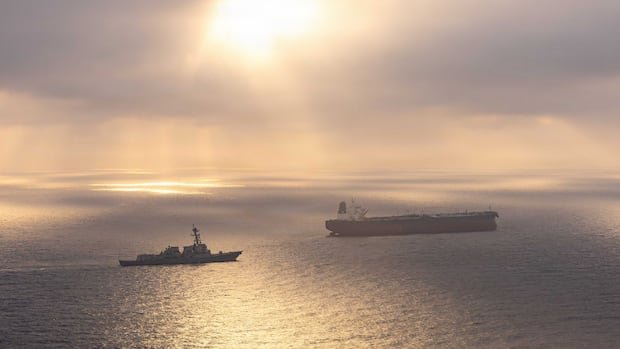

In the aftermath of the Middle East conflict resolution deal, the real challenge lies in sustaining the agreement and restoring global energy supply chains. President Donald Trump’s announcement on social media about lifting the U.S. Naval blockade and initiating oil flow signifies a significant step towards this goal. However, the exact terms of the agreement remain undisclosed, with the opening of the Strait of Hormuz now slated for later in the week.
Reinstating the disrupted oil flow will be a complex process that extends beyond a mere agreement. The prolonged conflict has caused a substantial disruption in the usual flow of approximately 20 million barrels of oil passing through the strait daily. As a result, nearly a billion barrels of oil are unaccounted for, creating a significant gap in global oil supply.
Rebuilding the damaged production facilities and addressing logistical challenges will be time-consuming. The blockade has trapped around 1,500 vessels in the gulf, necessitating repairs and maintenance before they can resume operations. Moreover, the slow movement of oil tankers means that even after the strait reopens and production resumes, it will take weeks for shipments to reach their destinations.
Experts predict that it could take close to a year or longer for the energy market to stabilize and find equilibrium post-conflict. While the initial peace deal has positively impacted energy markets, with oil prices dropping and stocks rising, the full recovery of oil and gasoline prices to pre-war levels will depend on resolving the underlying issues in energy supply chains.
Achieving stability in energy markets will require time, diplomatic efforts, and substantial investments. Despite the optimism surrounding the agreement, uncertainties persist, emphasizing the need for sustained efforts to secure a stable energy future.