
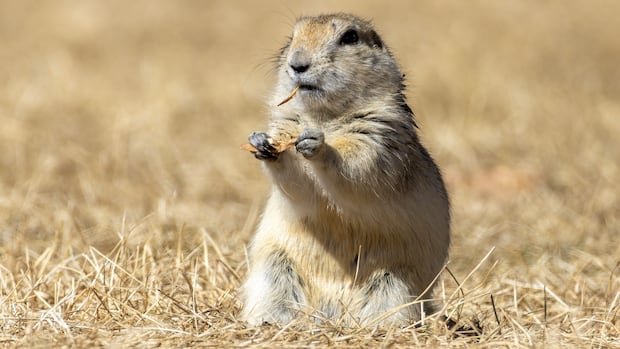

After facing substantial delays, the official strychnine use window in Alberta and Saskatchewan commenced on Wednesday. Farmers are now permitted to utilize the controversial rodenticide to manage Richardson’s ground squirrels, commonly referred to as gophers, until September 1. However, challenges arise due to limited quantities and concerns regarding the product’s efficacy at this late stage of the year.
The authorization for emergency use of strychnine in Alberta and Saskatchewan was granted after persistent lobbying by the provinces, following its prohibition by Health Canada two years ago due to environmental hazards. Gopher infestations in Alberta alone pose a risk of over $800 million annually to hay and pastures, as stated by the Alberta government.
Under the Pest Control Products Act, the emergency use approval allows producers in Alberta and Saskatchewan to employ strychnine until November 2027, with restrictions on usage during specific seasonal periods. The anticipated spring application window, from March 1 to June 15, was missed due to supply chain issues faced by Agromax, the sole authorized manufacturer of strychnine in Canada.
Although the product has now reached eligible municipalities in Alberta and Saskatchewan, there is a discrepancy between demand and supply in many cases. Some municipalities, like Wheatland County and Flagstaff County, are resorting to lottery systems to determine which producers can purchase strychnine. Conversely, the Municipal District of Wainwright in east-central Alberta announced the unavailability of strychnine this year due to the late season and extremely limited product availability.
Concerns are raised over the effectiveness of using strychnine at this point in the year, with some producers expressing doubts. The hope is to retain the strychnine for the next year to ensure a full season of use. Advocacy efforts are underway to potentially extend the special use approval for another year, given the current season is considered somewhat compromised.
Regarding environmental impact concerns, strychnine, previously a primary solution for gopher control on farms in Alberta and Saskatchewan, was phased out by the federal government in 2020 and outright banned in 2024 due to environmental risks. The ban was imposed to safeguard at-risk species like swift foxes and burrowing owls from potential harm caused by the poison.
The decision to reintroduce the use of strychnine comes with stringent requirements and environmental protocols; however, concerns persist regarding the decision being made without substantial scientific evidence. Alternatives for gopher control suggested by the Alberta government include legal pesticides, fumigation, and promoting predator activity to manage gopher populations effectively. These alternatives aim to provide sustainable solutions while minimizing environmental risks associated with strychnine use.