

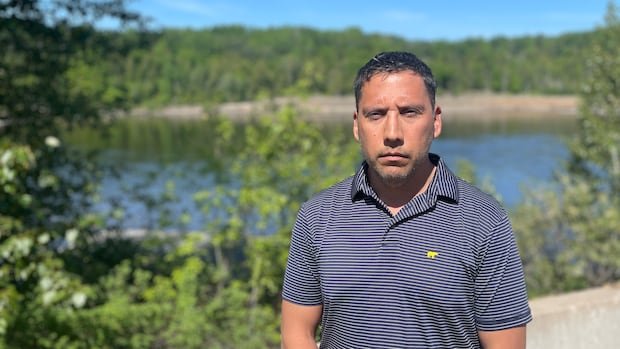

Leonard Nicholas, the fishery strategy director of Tobique First Nation, views Atlantic salmon through a unique lens, seeing them as familial figures with a shared history. Nicholas emphasizes the importance of preserving the salmon population due to their longstanding presence in the region. The Tobique River, a tributary of the Wolastoq River, once teemed with tens of thousands of salmon in the 1980s. However, recent data from the federal Department of Fisheries and Oceans indicates a significant decline, with only a few hundred salmon returning to the river’s Mactaquac Dam annually.
To combat the dwindling population, the DFO’s Mactaquac Biodiversity Facility has played a crucial role in sustaining the salmon. Despite efforts to maintain the salmon population, challenges persist, as highlighted by UNB biologist Tommi Linnansaari. The impending closure of the facility raises concerns about the future of the Wolastoq salmon, also known as outer Bay of Fundy salmon.
Nicholas and his team have been actively involved in collecting juvenile salmon from the Tobique River dam, stepping in where the DFO’s assistance will soon be absent. The Canadian Rivers Institute at UNB has also lent support by transporting smolts below the Mactaquac Dam. Research indicates that the survival rate of these smolts on their journey to the ocean and back for reproduction is alarmingly low.
The lack of recognition of Wolastoq salmon as an endangered species under the federal government’s Species at Risk Act has raised questions and frustrations among conservationists like John Perley and Bruce Leaman. The reluctance to list the species as endangered has been attributed to various factors, including political considerations and socio-economic impacts.
Efforts to address the status of the Wolastoq salmon have been taken to Ottawa, with community representatives advocating for continued support from DFO. While the decision-making process regarding the endangered status of the salmon remains complex, stakeholders remain committed to conservation efforts and the preservation of this culturally and spiritually significant species.
In conclusion, the future of the Wolastoq salmon remains uncertain, with ongoing debates and challenges surrounding their conservation status and the necessary actions to ensure their survival.