

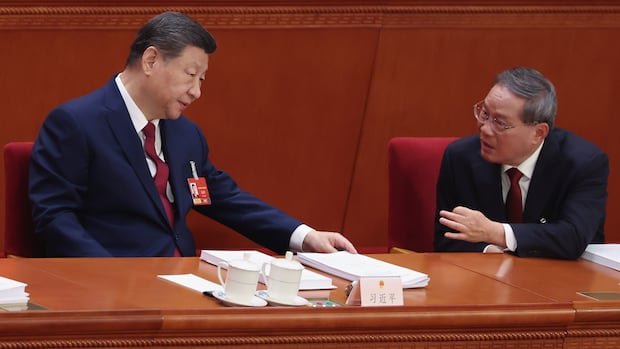

China’s recent economic growth strategy was mostly finalized before the outbreak of a significant conflict in the Middle East initiated by the U.S. and Israel. However, during the opening speech of the “Two Sessions” by Chinese Premier Li Qiang in Beijing, some adjustments were noticeable. While emphasizing the resilience of the second-largest global economy and addressing ongoing trade tensions with the U.S., Li acknowledged the sudden complexity of the external economic landscape.
The recent turmoil in Iran, a crucial ally and oil supplier to China, following targeted military actions, added a layer of complexity to the situation. For years, China has supported Iran economically and politically, purchasing Iranian oil, providing components for military programs, and entering into economic cooperation agreements.
Despite condemning the actions in Iran and sending envoys for de-escalation efforts, China seems cautious in its response. Despite being a major buyer of Iranian oil and a key player in the Gulf region, China has not shown intentions of direct involvement in the conflict.
The latest economic plan by China focuses on self-reliance and resilience, aiming for around five percent annual GDP growth. The strategy emphasizes dominance in emerging technologies like robotics, renewables, and artificial intelligence, positioning China as a stable trade partner amid global uncertainties.
China has been fortifying its strategic oil reserves to mitigate price fluctuations and has diversified energy imports to reduce reliance on the Middle East. Analysts suggest that China’s long-term planning and economic buffers can help weather short-term shocks.
China’s economic strategy, outlined during the Two Sessions, does not directly address the Middle East conflict but emphasizes internal stability and progress. The most urgent security concern for China remains the Taiwan Strait, with plans to accelerate reunification efforts and increase military spending.
Prioritizing economic ties with the U.S., China aims to maintain stability and leverage predictability in its relations. While the conflict in the Middle East poses challenges, China’s focus appears to be on enhancing economic cooperation with the U.S. and other global partners.
The article also highlights China’s cautious approach in the Taiwan Strait and its efforts to project a responsible image internationally. While China may potentially act as a mediator in the Middle East conflict, its primary focus remains on economic stability and diplomatic engagements with key partners like the U.S.