
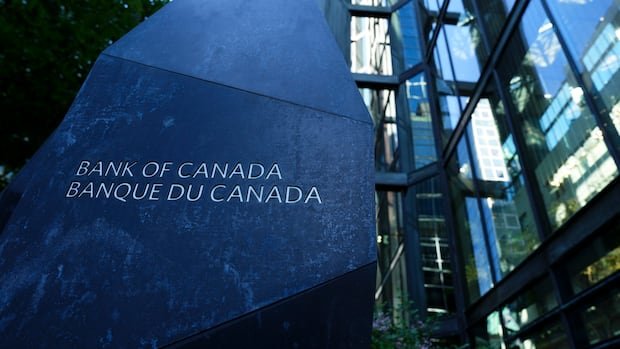

The Bank of Canada decided to maintain its key interest rate at 2.25 percent on Wednesday, anticipating a recovery in the economy following some turbulence earlier in the year. Despite lingering risks related to the Middle East conflict and ongoing trade negotiations with the U.S., the central bank officials expressed growing confidence in the economy’s ability to navigate these challenges.
Bank of Canada governor Tiff Macklem remarked that after a period of stagnation, economic growth appeared to be picking up in Canada. The decision to keep rates unchanged was widely anticipated by economists, with all 36 experts surveyed by Reuters predicting the same outcome, with most not expecting any adjustments until at least July of the next year. This marked the sixth consecutive time the bank opted to maintain interest rates at their current level.
Although Canada experienced setbacks in economic growth earlier in the year, the bank highlighted “clear signs” of a rebound in the second quarter. The bank’s expectations for annualized growth of 1.5 percent in the first and second quarters were not met initially, but the latest monetary policy report indicates that the economy is showing improvement as consumer and government spending increases. The bank projects a 2.5 percent growth rate for the second quarter, supported by growing exports that are anticipated to boost business investments in the upcoming months.
While inflation rose to 3.2 percent in May, driven primarily by higher fuel and food prices, the Bank of Canada stated that the inflationary pressures from rising gas prices have not spilled over into other goods and services significantly. The bank anticipates that inflation will remain elevated in June before moderating in the months to come, with a target of 2.5 percent in the second half of 2026 and returning to the two percent target by early 2027.
Macklem emphasized the importance of monitoring developments in the Middle East, noting that persistently high oil prices could pose risks of spillover effects on inflation. The bank stands prepared to implement rate hikes if necessary to counter persistent inflation resulting from sustained high oil prices.
The ongoing challenge faced by the bank is balancing rising inflation and slow growth, as higher interest rates could help curb inflation while lower rates could stimulate growth. However, if the bank’s forecast of easing inflation and improved growth materializes, this dilemma may resolve itself. Despite some positive near-term data leading to a more optimistic outlook, uncertainties, particularly fluctuating oil prices, continue to cloud longer-term projections.
BMO’s chief economist Douglas Porter expects the Bank of Canada to maintain its current stance for the remainder of the year, citing the bank’s cautious approach despite slightly hawkish rhetoric. The bank’s governing council believes that the current interest rate is appropriate to steer inflation back toward the two percent target, with readiness to adjust rates if necessary.