

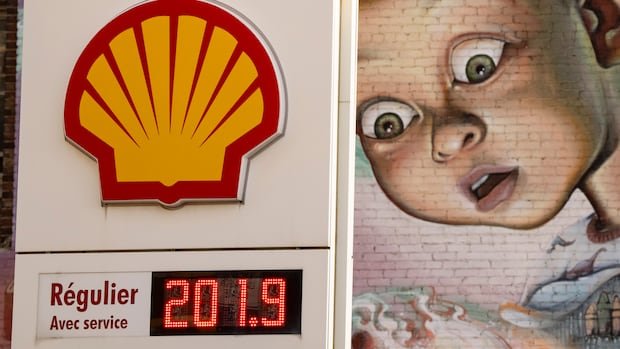

Gas prices in Canada have surpassed $2 per litre in certain regions, with experts warning that the rest of the country may soon face a similar situation due to the ongoing Iran conflict. The east and west coasts of Canada are experiencing the highest impact, as indicated by GasBuddy.com data. Newfoundland and Labrador have seen gas prices at an average of 203.5 cents per litre, with Montreal also witnessing prices exceeding $2 per litre. In British Columbia, the average price stood at 200.2 cents per litre, but some areas like Vancouver have been facing prices over $2 per litre since mid-March.
The conflict in Iran, leading to restrictions on ship traffic in the crucial Strait of Hormuz, where a significant portion of the world’s oil is transported, has caused severe supply shortages in the global energy market. This disruption has resulted in soaring gas prices globally.
Dawn Sharpe from Portugal Cove-St. Philip’s, N.L., shared that customers at her gas station expressed concern and frustration as prices crossed the $2 per litre mark. People are becoming increasingly anxious about the rising prices, reflecting a sense of fear among consumers.
Experts predict that if the conflict persists, gas prices could continue to rise across the country. Warren Mabee from Queen’s University mentioned that the longer the disruptions last, the higher prices may climb. The uncertainty surrounding the situation in Iran poses challenges in forecasting the extent of price increases, with concerns about the prolonged impact on crude oil supply.
U.S. President Donald Trump addressed the nation, indicating progress in achieving strategic goals in Iran and hinting at the war’s imminent end without specifying a timeline. He acknowledged the escalating gasoline prices and assured that once the conflict concludes, the reopening of the Strait of Hormuz would lead to a rapid decrease in gas prices.
Despite hopes for price relief post-conflict, experts like Mabee warn that the damage to energy infrastructure in the Gulf region could delay the stabilization of gas prices. Even after the conflict ends, the restoration of supplies and infrastructure may require considerable time, keeping prices elevated in the foreseeable future.