

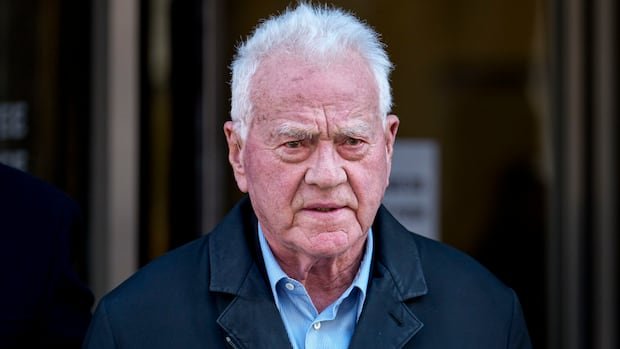

In a recent court hearing, Frank Stronach’s defense attorney argued that the women who accused him of sexual assault lacked credibility and reliability, urging the court to find Stronach not guilty. The defense lawyer, Leora Shemesh, claimed that the case against her client was based on fabricated and unreliable evidence, criticizing the police for their investigation methods.
However, the Crown prosecutor, Jelena Vlacic, disputed Shemesh’s assertions, maintaining that the women’s allegations were credible and believable. Shemesh accused the police of having a biased approach and targeting Stronach without considering the possibility of false accusations.
The trial, which commenced in February, initially involved 12 charges from seven female complainants, including allegations of sexual assault, rape, and attempted rape. As the proceedings unfolded, the charges were reduced to seven, involving four of the original complainants.
The allegations against Stronach span nearly five decades, dating back to the late 1970s. Despite emotional testimonies from the complainants, Stronach denied all charges and opted not to testify in court. The trial, presided over by Justice Anne Molloy, has attracted significant attention due to the high-profile nature of the case.
Several complainants recounted similar encounters with Stronach, alleging sexual assaults that reportedly took place at different locations, including his Toronto condo and a hotel. Shemesh scrutinized each remaining complainant’s testimony, questioning their credibility and pointing out inconsistencies in their accounts.
While Shemesh portrayed the first complainant as an unreliable storyteller, Vlacic defended the core elements of the complainants’ testimonies. Justice Molloy expressed concerns about the reliability of some evidence, particularly regarding inconsistencies and added details over time.
The trial continues, with Vlacic expected to conclude her closing arguments by focusing on the testimony of the remaining complainant. The case highlights the complexities and challenges in adjudicating allegations of sexual assault in the criminal justice system.