

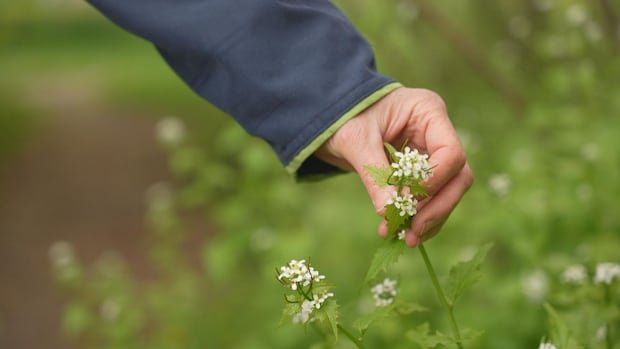

The City of Ottawa is streamlining the process for volunteers to obtain necessary insurance for removing invasive plant species from the city’s green areas. Invasive species, which are not native to North America, pose a threat to the local ecosystem. Examples of invasives in Ottawa include Buckthorn, dog-strangling vine, and garlic mustard.
Volunteers interested in eliminating invasive plants can establish a stewardship agreement with the city’s forestry department, but they must have liability insurance. Responding to inquiries from Alta Vista Coun. Marty Carr, city staff explored why groups under stewardship agreements couldn’t utilize Ottawa’s Community Partnership Insurance Program (CPIP), designed to offer third-party liability insurance to community associations and gardens.
Carr highlighted that some groups prefer to operate independently without being part of a community association. This month, city staff informed councillors that groups with stewardship agreements can now access CPIP. Groups engaged in this work have described the new arrangement as a significant relief from bureaucratic hurdles.
Michelle St-Germain, representing the Alta Vista Community Association, shared her experience with securing insurance for her group’s land restoration activities, which involve removing invasive species and planting native ones. She noted the challenges of convincing an association to support such initiatives due to financial constraints.
Under the updated regulations, groups like St-Germain’s will only need to apply once directly to the city, reducing the time and effort previously required. This change has been praised as a positive development by volunteers like Lynne Patenaude from the Ottawa South Eco Action Network (OSEAN), who highlighted the importance of focusing on essential work rather than bureaucratic processes.
The initiative has been welcomed by volunteers like St-Germain, who see it as a significant step forward in promoting community involvement. Carr mentioned that city staff are working on further programs to enhance participation and reduce administrative burdens, aiming to provide more stewardship opportunities and streamline access to clearing parks and green spaces. An update on these efforts is expected in the coming year.