


Longtime friends and equally long-term collaborators Phil Lord and Chris Miller maintained a consistent approach in developing “Project Hail Mary,” aligning with their previous works such as “21 Jump Street,” “The Lego Movie,” and the recent “Spider-Verse” series. In a recent interview with CBC’s “Q,” Lord expressed their desire for the movie to inspire positivity, highlighting the importance of envisioning goodness amid life’s challenges.
The film, revolving around a solitary astronaut embarking on a deep-space mission to unravel a mystery and safeguard Earth, prominently conveys themes of hope and positivity. This narrative aligns with a cinematic tradition of space-themed movies, typically released during significant space-exploration eras or when public interest in space is heightened.
The collaborative spirit behind “Project Hail Mary” resonated with the cast and crew, reflecting the movie’s storyline where individuals worldwide unite to tackle seemingly insurmountable challenges. Despite not originating from an established franchise or long-standing source material, the film exceeded expectations with a strong box-office debut and broad audience appeal.
Embracing the essence of a “four-quadrant” movie, “Project Hail Mary” successfully captivated diverse demographics, fostering a shared sense of enthusiasm, camaraderie, and joy among viewers. Film critic Rachel Ho praised the movie for offering a refreshing break from the prevailing global uncertainties, resonating with audiences who flocked to theaters in high numbers.
The optimistic portrayal of space exploration in “Project Hail Mary” paralleled real-life events like the Artemis II mission launch, generating a wave of positivity and unity. Former Canadian astronaut Robert Thirsk, inspired by space-themed movies, emphasized the transformative impact of such films on his career trajectory, underscoring the significance of cinematic narratives in fostering passion for space exploration.
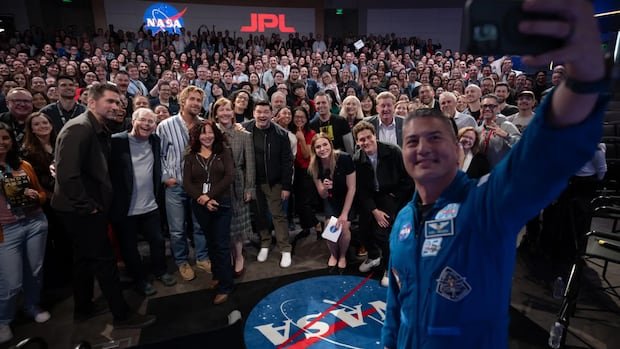
NASA’s collaboration with Hollywood, including its involvement in “Project Hail Mary,” underscores the agency’s commitment to inspiring and engaging the public through science and storytelling. By leveraging public enthusiasm for space exploration, NASA aims to cultivate support for its ambitious space missions, epitomized by the Artemis program’s goal of lunar expeditions and eventual Mars missions.
Thirsk highlighted the profound influence of space-themed films in nurturing a sense of wonder and curiosity about space exploration, mirroring the inspiration instilled by real space missions like Artemis II. He emphasized the transformative power of cinematic storytelling in encouraging individuals and nations to embrace audacious challenges and pursue endeavors beyond their current boundaries.