

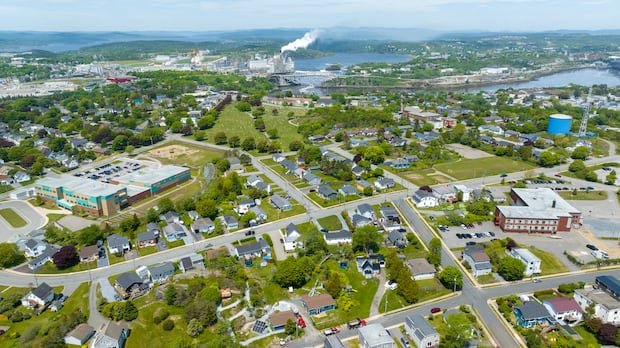

On May 26, an air quality monitoring station located in the parking area of Hillcrest Baptist Church in Saint John’s west side detected abnormal readings. The levels of fine particulate matter, which started below concern levels, spiked significantly around 10 a.m., reaching twice the safe exposure limit by 2 p.m. This raised worries for vulnerable groups like children, seniors, and individuals with respiratory issues.
Fine particulate matter, a mix of tiny particles from various sources like vehicles, industries, chemical reactions, and natural events such as forest fires, poses health risks due to its ability to penetrate deep into the lungs. Despite the concerning spike, there was no public alert issued about the incident on the west side, prompting an investigation by environmental authorities.
Although the exact cause of the elevated readings remains undetermined, the Environment Department suggested that operations and maintenance activities at the nearby Irving Pulp & Paper mill might have contributed. The department observed smoke impacts near the monitoring station, possibly originating from the mill.
By 5 p.m., the air quality levels had returned to normal, with the incident lasting about seven hours. While officials deemed it unnecessary to issue a public notice due to the short duration, local activist Gordon Dalzell disagreed, emphasizing the potential health risks, especially for individuals with respiratory conditions.
This event was not an isolated occurrence, as similar spikes in fine particulate matter emissions have been recorded over the past two years at various monitoring stations in residential areas. Dalzell highlighted the importance of informing the public about air quality issues, advocating for public alerts associated with individual monitoring stations.
To enhance public awareness, tools like the Air Quality Health Index and online portals provide valuable information, although there are limitations in real-time notifications for localized spikes. Despite these challenges, educating the community about air quality issues and integrating air quality forecasts into weather reports are essential steps toward safeguarding public health.