

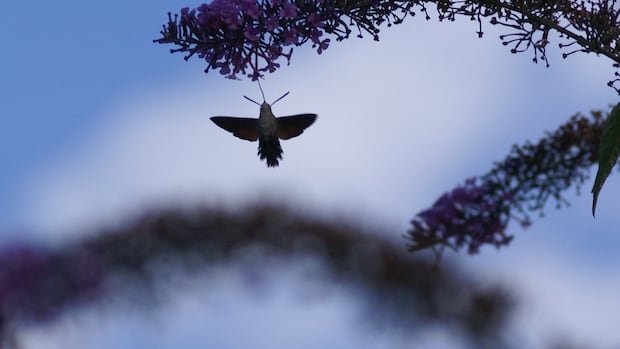

In recent times, many individuals have recollections of summer evenings filled with moths and mayflies swirling around porch lights, or road trips resulting in windshields covered in insect remnants. Some may sense a shift in these experiences.
Scientists affirm that these memories reflect a real phenomenon: a significant decrease in insect populations in Canada and globally, impacting birds, bats, fish, plants, and humans.
A study conducted by York University PhD student Hadil Elsayed in southern Ontario revealed a drastic decline in the total mass of insects collected at two protected sites since the 1990s. Similarly, a citizen-science project in the U.K. noted a sharp decrease in flying insects by measuring insect splatter on license plates. Numerous studies worldwide have documented declines in insect populations.
During the summers from 2021 to 2023, Elsayed meticulously trapped insects at Long Point National Wildlife Area and St. Williams Conservation Reserve, replicating a survey from the early 1990s. Her preliminary findings, pending peer review for publication, indicate a nearly 50% reduction in the total insect mass trapped over the past three decades.
The study aligns with research by the University of Michigan and Birds Canada, which revealed a 62% decline in flying insects at Long Point Bird Observatory between 1977 and 2011. Elsayed’s collection predominantly comprised minuscule midges, vital for the ecological food chain despite their diminutive size.
The diminishment of insects affects various species, including insect-eating birds like swallows, which are experiencing reduced sizes and numbers due to the dwindling insect population. Insects play critical roles in pollination, pest control, and sustaining the food chain, impacting not only wildlife but also human activities like agriculture.
Researchers attribute insect declines to factors such as habitat loss, invasive species, pesticides, pollutants, and climate change. The conservation of insects is imperative to maintain ecosystem balance and biodiversity.
Efforts to reverse insect declines include planting native vegetation, conserving habitats, and reducing pesticide usage. Notable studies have shown that insect populations can recover with appropriate environmental measures and conservation practices.
The decline in insect populations underscores the interconnectedness of species and ecosystems, highlighting the urgent need for collective action to safeguard insect diversity and ecological stability.