

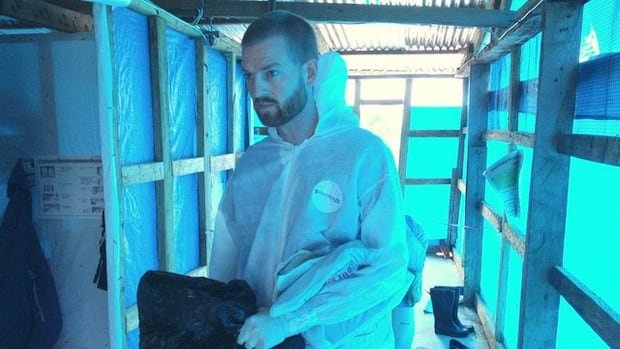

Twelve years ago, in Monrovia, Liberia, Dr. Kent Brantly woke up feeling unwell. He was concerned it might be Ebola, but it turned out to be malaria. When he received the news that he had tested positive for Ebola, fear gripped him. He immediately called his wife, expressing his apologies and sadness at the thought of leaving his family behind. Despite the high mortality rate during the 2014 Ebola outbreak, Brantly survived with medical treatment and evacuation to the U.S.
Today, the Bundibugyo strain of Ebola threatens the Democratic Republic of Congo and Uganda without a vaccine available, leading to community unrest. Brantly emphasizes the importance of a calm and compassionate global response to combat the stigma surrounding Ebola.
Reflecting on his own experience, Brantly highlights the challenges faced by healthcare workers in contracting Ebola, often referred to as a “caregiver’s disease.” The virus spreads through body fluids, surfaces, and burial practices, leading to infections among healthcare workers. The fear and panic caused by Ebola make containment efforts challenging.
The ongoing outbreak in the border region between the Democratic Republic of Congo and Uganda complicates containment due to weak healthcare infrastructure and civil unrest. Misinformation and violence towards health facilities hinder response efforts. To combat the outbreak, WHO has mobilized emergency supplies, including protective equipment and contact tracing support.
Brantly acknowledges the experimental treatment he received and the lack of similar options for current Ebola patients. While there are vaccines available for the strain he contracted, none are approved for the Bundibugyo virus. Early symptom care and supportive treatments can improve survival rates, urging communities to support those affected by the outbreak.
As the situation unfolds, Brantly emphasizes the need for global solidarity and assistance to combat the Ebola outbreak in East Africa. Global Affairs Canada reports over 3000 Canadians in the region, with one resident being tested after traveling to East Africa.
The location of the outbreak, combined with the movement of people due to mining activities, poses a significant challenge to containment efforts. Brantly calls for a concerted effort to support those affected by the outbreak and combat misinformation and violence hindering response efforts.