


Five years following the tragic heat dome incident in British Columbia, the Mayor of New Westminster, Patrick Johnstone, still feels deeply affected by the extreme weather event. Recalling the challenges faced during that time, he expressed sorrow for the lives lost and the unprecedented strain it placed on emergency responders. The magnitude of the emergency overwhelmed critical systems like ambulances and 911 services, revealing a significant lack of preparedness.
The B.C. Coroners Service documented a total of 619 heat-related fatalities over the five-day heatwave from June 25 to July 1, 2021, with 33 deaths specifically recorded in New Westminster, surpassing the per-capita death toll in the province. Dr. Lindsay Bowthorpe, a medical health officer at Fraser Health, highlighted that individuals who were elderly, lived alone, and lacked access to cooling facilities, such as air conditioning, were the most severely impacted during the heatwave, especially in urban settings with minimal green spaces.
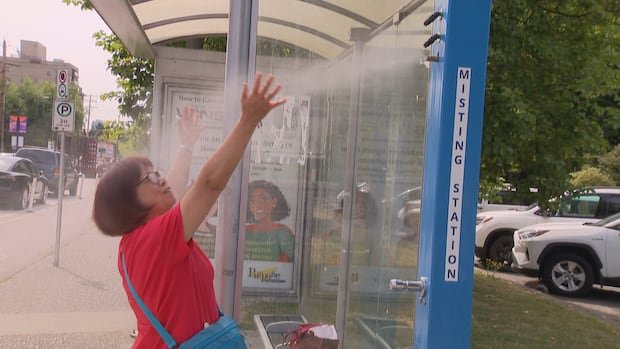
Since the devastating heat dome incident, New Westminster has taken proactive measures to enhance cooling initiatives in the city. Mayor Johnstone emphasized the city’s commitment to being fully prepared for future extreme heat events. Efforts have included the commissioning of a report to identify priority areas for outdoor cooling amenities and the installation of 13 misting stations across the city, each costing between $10,000 to $15,000.
These misting stations, along with other cooling strategies like expanding tree cover for shade, distributing cool kits to vulnerable residents, and establishing cooling centers during hot weather, form part of a comprehensive approach to combat extreme heat in public spaces. Additionally, a recent bylaw mandates landlords to maintain safe temperatures in at least one room of their tenants’ apartments. These measures have been welcomed by community advocates like Gary Rodden, who underscore the vulnerability of many residents, particularly those living in apartments without air conditioning.
Mayor Johnstone anticipates potential legal challenges to the heat bylaw but advocates for its province-wide implementation. The city remains committed to further enhancing the network of drinking fountains and misting stations, with a focus on identifying locations where vulnerable populations are most concentrated and where urban heat islands exacerbate temperatures. The ongoing efforts aim to address existing gaps in the city’s cooling infrastructure and ensure the well-being of all residents during extreme heat events.