


Arson assaults on Ebola treatment facilities in the Democratic Republic of Congo highlight the significant obstacles authorities encounter in containing the infectious disease outbreak that has been classified as a global health crisis.
Recent reports from Congolese officials reveal that suspected Ebola cases have exceeded 900 in the eastern region, particularly in Ituri province, the epicenter of the current outbreak. The recent destruction of treatment centers in two key towns at the core of the outbreak reveals the underlying frustration in a region plagued by violence associated with armed rebel factions, mass displacements, governmental inefficiencies, and reductions in international aid that have severely impacted healthcare services in vulnerable areas.
Physicians for Human Rights, a non-profit organization, described the situation as a convergence of devastating crises. The eastern part of the Democratic Republic of Congo has long been plagued by attacks from various rebel and militant groups, some with ties to foreign entities or extremist organizations such as ISIS. The control of the region is fragmented, with the M23 rebels backed by Rwanda holding sway in certain areas. Ituri province, where the Ebola outbreak is concentrated, faces insecurity and a shortage of medical personnel, leading to dire conditions in health facilities.
Nearly one million individuals have been displaced in Ituri due to ongoing conflicts, exacerbating the challenges posed by the Ebola outbreak. The International Federation of Red Cross and Red Crescent Societies emphasized that the disease is spreading in communities already grappling with insecurity, displacement, and fragile healthcare systems. Concerns have been raised about the potential spread of the virus to large displacement camps near Bunia, the initial site of reported cases.
The Ministry of Communication in Congo reported a surge in suspected Ebola cases to 904 in Ituri, with a notable increase from the previously announced 700 cases. The total suspected deaths related to Ebola stood at 119, although discrepancies in regional figures raised questions. Cases have also been documented in other eastern provinces like North Kivu and South Kivu, as well as in neighboring Uganda, necessitating a coordinated response by both government and rebel authorities, aided by various relief organizations.
The impact of international aid cuts, particularly by wealthy nations like the United States, has been severe on the eastern D.R.C., hampering the ability to detect and respond to disease outbreaks effectively. Aid groups on the ground have voiced concerns regarding the lack of essential equipment, testing kits, and protective gear for healthcare workers. The absence of an approved vaccine or treatment for the Bundibugyo strain of Ebola further complicates containment efforts.
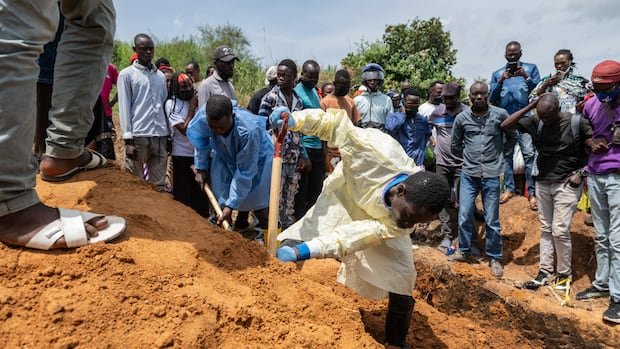
The recent attacks on Ebola treatment centers in Rwampara and Mongbwalu regions underscore the challenges posed by community backlash in eastern D.R.C. These incidents reflect the deep-seated skepticism and anger among locals towards the region’s treatment by authorities and international actors. Strict protocols on burial practices for Ebola victims have also fueled resentment, prompting authorities to impose limitations on funeral gatherings to prevent disease transmission.
In conclusion, the situation in the Democratic Republic of Congo underscores the complex interplay of longstanding conflicts, humanitarian crises, and health emergencies, necessitating a multifaceted approach to contain the Ebola outbreak effectively.