
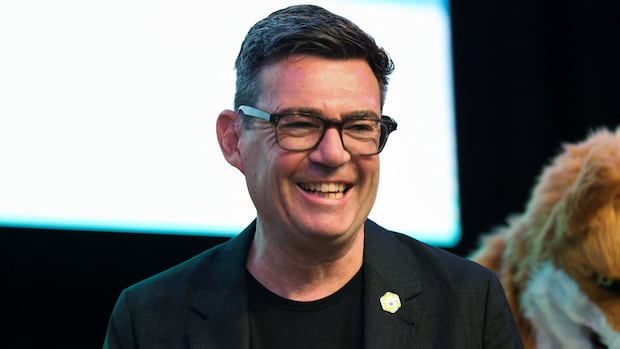

Andy Burnham, who currently serves as the mayor of Greater Manchester, has successfully secured a parliamentary seat in a special election, positioning himself to challenge the beleaguered British Prime Minister Keir Starmer, who has pledged to resist any leadership threats.
Burnham achieved a significant victory in the Makerfield constituency for the Labour Party in northwestern England, defeating Rob Kenyon from the anti-immigration Reform UK party. He garnered nearly 55 percent of the 45,510 votes cast, surpassing Kenyon by over 9,000 votes amidst a competitive field of more than a dozen candidates.
His win, announced on Friday, solidifies Burnham’s position as the frontrunner to succeed Starmer as the leader of the Labour Party and the nation.
In his victory address, Burnham made it clear that his ambitions extend beyond merely being one of the more than 400 Labour members in the 650-seat House of Commons.
“It’s clear that politics is failing,” he remarked. “People can sense that our country is not where it ought to be. This evening could potentially be a pivotal moment.”
He emphasized that Labour has “one last opportunity to transform” and regain the trust of the electorate.
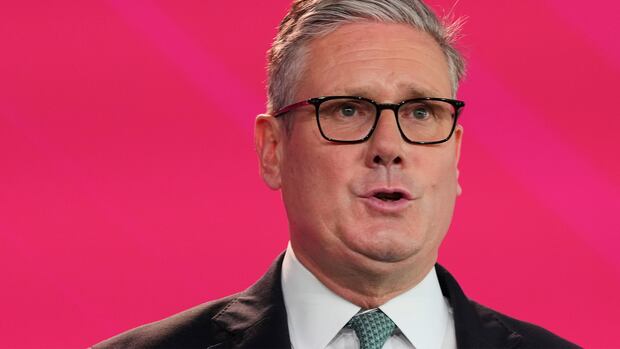
Less than two years after a significant victory for his Labour Party, British Prime Minister Keir Starmer faces immense unpopularity and is struggling to maintain his position. For The National, CBC’s Margaret Evans analyzes the factors contributing to his political difficulties.
“This result presents an opportunity to foster a new political landscape founded on unity and optimism, steering clear of the divisive and bleak politics reminiscent of the United States,” he added.
Starmer extended his congratulations to Burnham on his success but reiterated his commitment to confront any leadership challenges, a stance he has consistently maintained for several weeks.
“Absolutely, I will contest, I will stand firm,” Starmer declared. “I’ve continuously stated that I will not step back from this.”
The British parliamentary framework permits governing parties to alter their leaders mid-term, with the victor ascending to the premiership without necessitating a national election. According to Labour’s regulations, a member can contest the leadership if they garner support from a fifth of the party’s lawmakers in the House of Commons.
To challenge Starmer, Burnham, or any other candidate, would require the endorsement of over 80 Labour MPs, along with meeting support criteria from local Labour organizations and affiliated groups like trade unions.
Starmer would automatically secure a place on the ballot if he opted to participate in the contest. Should multiple candidates qualify, the victor will be chosen via a vote among all Labour Party members and affiliates.
Since leading the centre-left Labour Party to a sweeping electoral triumph in July 2024, Starmer’s popularity has plummeted.
He has faced challenges in delivering the promised economic recovery, mending damaged public services, and alleviating the cost-of-living crisis, compounded by a series of misjudgments, including his choice to appoint Peter Mandelson, a friend of Jeffrey Epstein with a tainted reputation, as the U.K. ambassador to the United States.
A poor showing in the local elections in May led numerous Labour MPs to call for Starmer to step down. Although he has resisted these pressures, senior colleagues are pushing for change.
Wes Streeting resigned as health secretary in May, criticizing the lack of vision within the party.
Following this, Josh Simons, the Labour MP for Makerfield, resigned to initiate a special election, providing Burnham the opportunity to return to Parliament.
Furthermore, Defence Secretary John Healey and Armed Forces Minister Al Carns also resigned earlier this month, adding to Starmer’s difficulties, citing what they termed inadequate government spending to address the military’s needs.
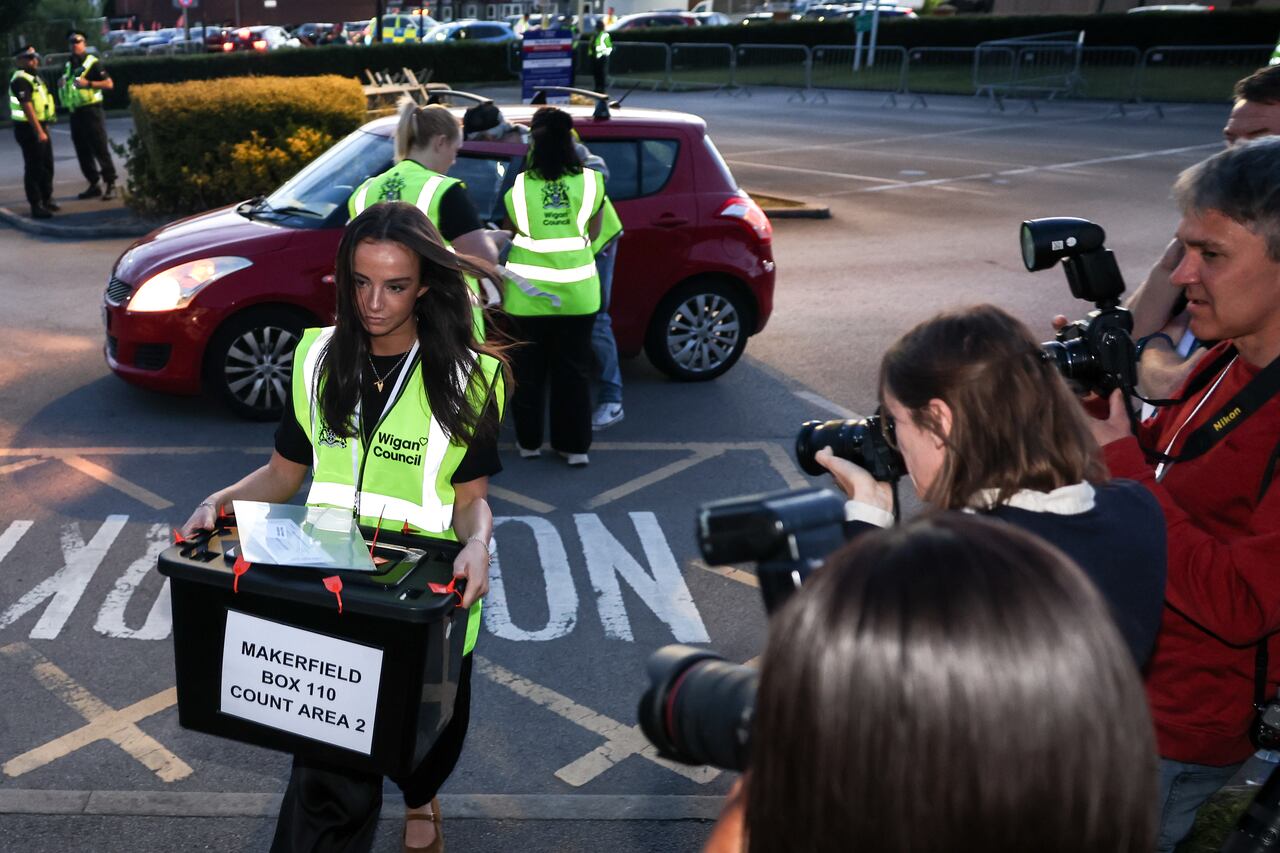
Election volunteers transport ballot boxes to the Makerfield venue where the counting occurred, in Wigan, England, on Thursday. (Ryan Jenkinson/Getty Images)