


A Victoria-based company has developed advanced technology capable of detecting marine mammals, currently being tested on a new electric passenger ferry. Reach Technologies Inc., founded by Glenn Jones, has a history in aerospace technology spanning over three decades and has now ventured into marine detection innovations.
The company’s groundbreaking multispectral camera, rotating 360 degrees, can swiftly identify various objects, including marine mammals, debris, people, and animals upon surfacing. Trials with the Department of National Defence are commencing this month, showcasing the efficacy of the technology.
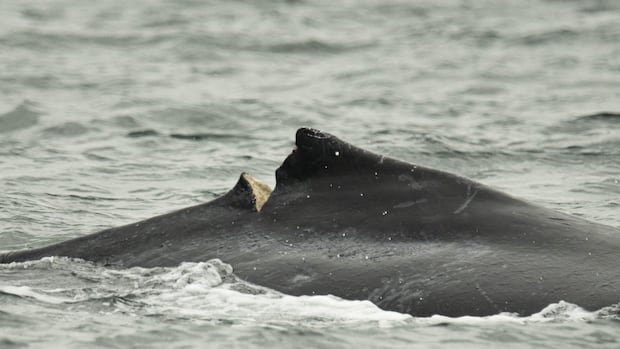
With a price tag of up to $600,000, these devices are unique in the world, as affirmed by Jones. The initiative comes in response to recent unfortunate incidents involving humpback whales in British Columbia, underscoring the critical need for such cutting-edge solutions.
CIRQL Ferries, aiming to introduce two electric ferries by 2028 on routes from Vancouver to Bowen Island and the Sunshine Coast, is leading the way in adopting this detection technology. The vessels will traverse areas prone to whale collisions, emphasizing the importance of safeguarding marine life.
Experts like Marine Mammal Zoologist Anna Hall emphasize the escalating risks faced by humpback whales due to vessel strikes. The presence of more vessels heightens these dangers, necessitating proactive measures such as speed reduction, course alterations, and early whale detection to mitigate risks effectively.
Notably, the Department of Fisheries and Oceans Canada has implemented whale detection systems in high-risk areas, while Transport Canada mandates marine safety training for all commercial vessel operators. The upcoming electric ferries, with speeds up to 23 knots, prioritize ocean conservation and marine safety protocols.
As the industry strives towards quieter and eco-friendly operations, challenges like collision risks persist. Efforts to balance noise reduction with collision prevention through comprehensive mitigation plans are crucial in ensuring the sustainability of marine ecosystems and wildlife protection.