

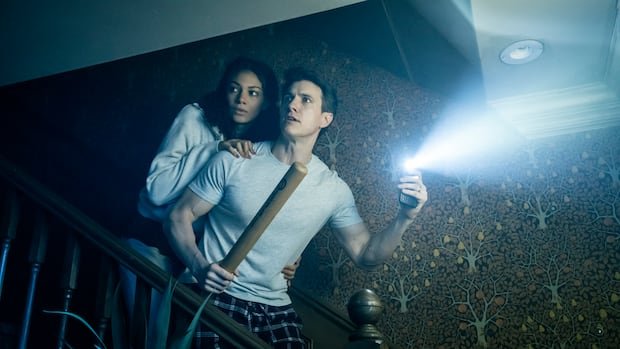

On the premiere night of the live production of “Paranormal Activity” in Toronto this June, an audience member booed the main actor during the performance. The individual’s disapproval was aimed at the character’s choices on stage rather than the actor’s performance itself.
Following the incident, several audience members took to online platforms to express their dismay over the lack of theatre etiquette. One Reddit user suggested that the person who booed should be banned, emphasizing the seriousness of the situation compared to the lively atmosphere of pantomime comedies.
Concerns were also raised about other disruptive behaviors in the audience, such as nervous chatter and laughter during suspenseful moments in the horror-themed show inspired by the movie franchise.
Lead actor Patrick Heusinger, who has been part of the “Paranormal Activity” production since its debut in 2025, acknowledged the diverse audience that the show attracts, including those unfamiliar with traditional theatre norms. He expressed understanding for audience members who may behave as if they are at home, engaging in activities like eating popcorn or unwrapping candy during tense scenes.
Heusinger welcomed the varied reactions from the audience, stating that provoking emotions is a core aspect of art and encouraged viewers to immerse themselves in the experience.
Meanwhile, Mirvish Productions introduced a new concept called “chilled performance” for their production of “& Juliet,” a musical offering a contemporary twist on a Shakespearean classic. This relaxed format allows patrons to enjoy the show with reduced restrictions, including brighter house lights, freedom to move around, and permission to make noise during the performance.
The initiative aims to create a more inclusive environment for a diverse audience, including individuals with neurodivergent traits or those who prefer a less formal setting.
In a similar vein, Cineplex is adapting to changing audience preferences by accommodating behaviors like cellphone use and interactive experiences during screenings. The company’s chief marketing officer highlighted the importance of providing audiences with the experiences they desire, even if it means allowing noise and cellphone activities during certain shows.
The evolution of theatre etiquette was discussed by Toronto theatre critic Ryan Borochovitz, who highlighted the historical context of audience behaviors and the societal implications of unwritten rules. He suggested practical changes, such as adjusting lighting to reduce screen distractions and setting clear expectations for audience engagement based on the nature of the performance.
Overall, the shift towards more inclusive and adaptable theatre experiences reflects a broader trend in entertainment to cater to diverse audience preferences and behaviors.