


The Bank of Canada has raised its key policy rate for the first time in three years, signaling changes in mortgage rates for many Canadians.
On Wednesday, the central bank increased its benchmark rate by 0.25 percentage points to 2.5 percent. According to Bank of Canada Governor Tiff Macklem, further increases may occur if inflation — primarily driven by escalating fuel prices — continues in the upcoming months.
In response, Canada’s largest banks have begun to adjust their prime interest rates in alignment with this decision. All five major banks in Canada have raised their prime rates by 0.25 percentage points to 4.70 percent, which is the rate offered to their most creditworthy clients.
Variable rate mortgages will see the first adjustments, as they are directly tied to the prime rate set by the issuing bank.
New fixed mortgage rates are influenced by the bond market. When a central bank raises rates, newly issued bonds generally provide higher returns. To keep their profit margins, lenders need to raise mortgage rates as investors seek better yields.
“In an environment with rising rates, deciding between fixed and variable can be quite difficult. Variable rates are lower and offer flexibility, but it’s important to budget for potential future increases,” said Clay Jarvis, a mortgage expert at Ratehub.ca, in a press release following Wednesday’s announcement.
“Fixed rates are higher, but once you secure your mortgage, your payments remain stable. That kind of predictability can justify paying a higher rate,” he added.
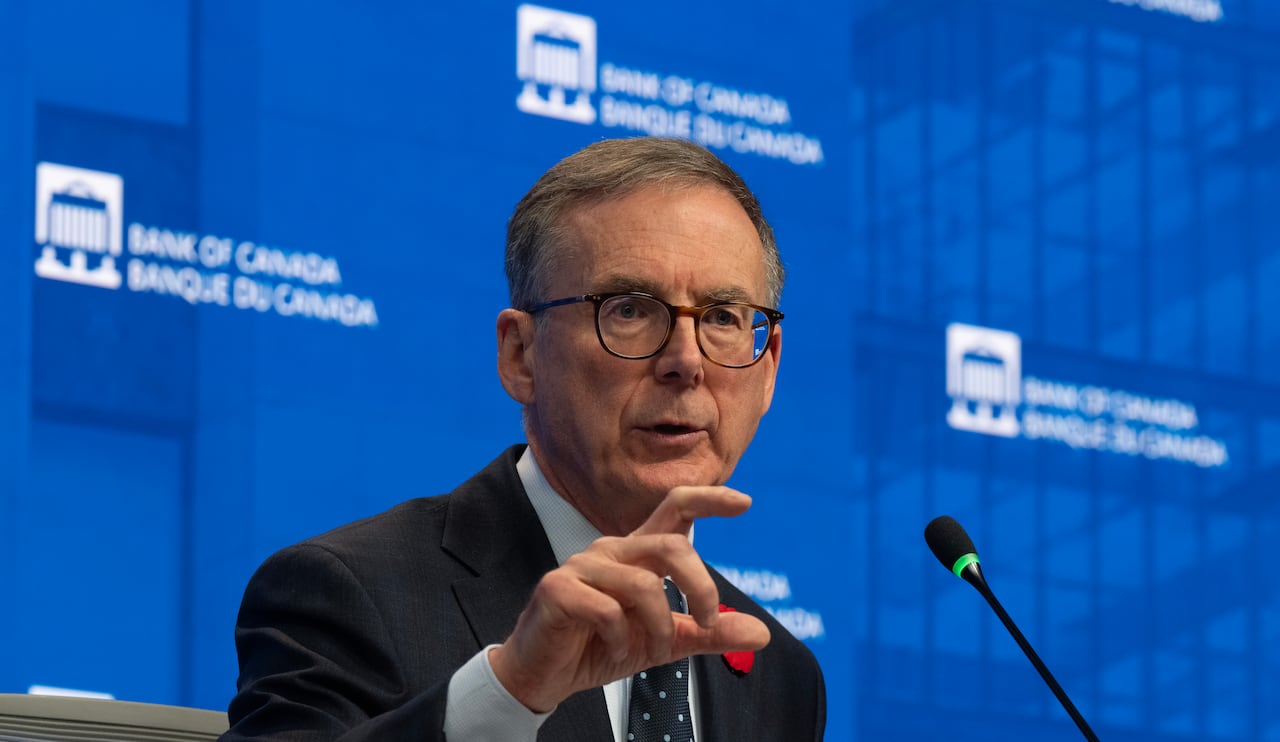
Bank of Canada Governor Tiff Macklem addressing reporters during a news conference in Ottawa, where the governing council decided on a quarter percent interest rate hike. (Adrian Wyld/The Canadian Press)
During a press conference in Ottawa, Macklem recognized that higher interest rates may be challenging for many Canadians and businesses.
“We understand this,” he remarked. “It won’t feel good right away, but it’s necessary to bring down inflation, which will ultimately benefit Canadians and their businesses.”
Variable rate mortgage holders will be most affected
The Bank of Canada’s initial rate rise since July 2023 will have an immediate impact on those with variable rate mortgages. Toronto mortgage broker Marcus Tzaferis indicated that the difference could be substantial.
For a mortgage of $500,000, a 25 basis points increase would result in an extra average payment of about $70 monthly. Although this may seem minor, Tzaferis stated, “for consumers already facing financial strain, these incremental increases can have a significant impact.”
The central bank also indicated that more hikes could follow, and if rates rise by another 50 or 75 basis points, Tzaferis warned, “it will undoubtedly affect people’s monthly budgets.”
Due to anticipated rate increases, Tzaferis noted that he has already received inquiries from Canadians evaluating their options.

Barbara Best in her Toronto condo kitchen on Wednesday. She recently transitioned from a variable to a fixed rate mortgage and believes the price increase is justified for her peace of mind. (Laura MacNaughton/CBC)
Take, for instance, Barbara Best. She had a variable rate mortgage for her Toronto condo since 2022 — the same year the Bank of Canada initiated a prolonged series of rate increases — but she has recently renegotiated to a fixed rate well ahead of her mortgage renewal date.
While fixed rates are significantly higher than variable rates at present, she acknowledges the increase in her monthly payments is worth the assurance it provides.
“Although my payments have increased, it gives me certainty and peace of mind,” Best expressed.
Tzaferis advises that “now is the ideal time” to consider switching to a fixed rate mortgage for those looking to exit a variable rate or nearing the end of their mortgage term.
“The most crucial step is for Canadians to begin their renewal process early,” Tzaferis said. Understanding the best available rates and initiating discussions with an advisor could assist consumers in making a well-informed choice, according to Tzaferis.
Rate hike may dampen housing market further
This rate increase is likely to further strain an already fragile housing market.
Deputy Governor Carolyn Rogers mentioned that Canada’s housing market is facing challenges, particularly in Ontario and British Columbia, and this rate hike will exacerbate those difficulties.
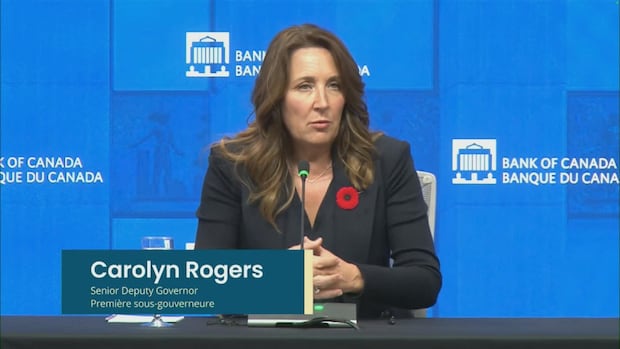
Bank of Canada senior deputy governor Carolyn Rogers remarked that the organization’s housing outlook is ‘pretty subdued’ for various reasons, including general economic uncertainty.
Wednesday’s rate increase narrows the pool of potential buyers, shifting leverage from sellers to those able to secure financing required for purchases. This could lead to a decline in home prices.
Earlier this month, the Canadian Real Estate Association (CREA) revised its 2026 home sales forecast downward for the third time this year.
Joel Fox, chief operating officer of the Toronto-based real estate legal platform Ownright, concurs that the rate hike will further dampen the housing market’s outlook.
“This rate increase likely cements year-over-year declines in housing activity for both this year and next, and I don’t anticipate a turnaround until we see a reduction in rates,” he expressed in a statement following Wednesday’s decision.
“The market was already as dismal as we’ve experienced in a long time. The only silver lining is that it’s hard to envision it declining much further.”