

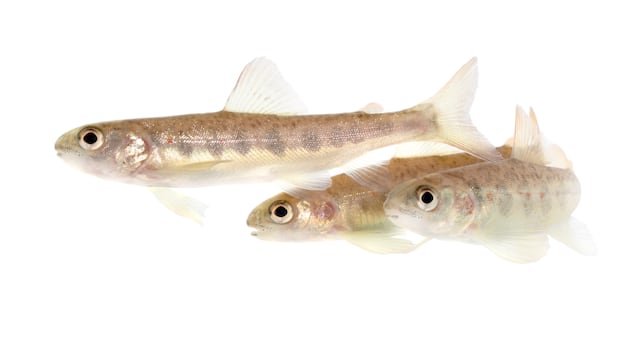

In Sweden, Atlantic salmon are being exposed to cocaine by researchers, leading to unexpected behavior changes. Erin McCallum, an associate professor of aquatic ecology at the Swedish University of Agricultural Sciences, expressed the unconventional nature of studying the effects of cocaine on fish behavior. The research aimed to comprehend the impact of cocaine and other substances found in global waterways, including Canada, on fish.
A recent study published in Current Biology revealed that juvenile Atlantic salmon in Lake Vättern, Sweden, showed increased swimming activity after ingesting cocaine or its metabolite, benzoylecgonine. The fish exposed to benzoylecgonine swam nearly twice the distance per week and dispersed over 12 kilometers farther across the lake compared to sober counterparts. Although fish exposed to cocaine exhibited similar behavior, the effects were less pronounced.
Mark Servos, a biology professor at the University of Waterloo, commended the innovative approach of the researchers in studying the effects of drugs on fish outside the laboratory. The study sheds light on the potential subtle yet significant changes these substances may have on wild fish.
Erin McCallum highlighted the issue of drug residues entering waterways through wastewater treatment plants, affecting not only Swedish fish but aquatic life globally. A separate study documented the presence of cocaine in wild sharks off the coast of Rio de Janeiro, while Canadian research found various substances, including opioids, in freshwater fish downstream of urban wastewater plants.
While the risks to humans are minimal, concerns remain about the impact of these drugs on fish reproduction. Servos emphasized the need for further research to understand the implications of these compounds on the environment. McCallum stressed the importance of examining drug metabolites’ effects on wildlife, urging increased monitoring and research to address pollution impacts.
The findings from Sweden underscore the necessity for comprehensive investigations into drug presence in waterways and their metabolites’ potential effects on wildlife, emphasizing the need for proactive environmental monitoring and research.