

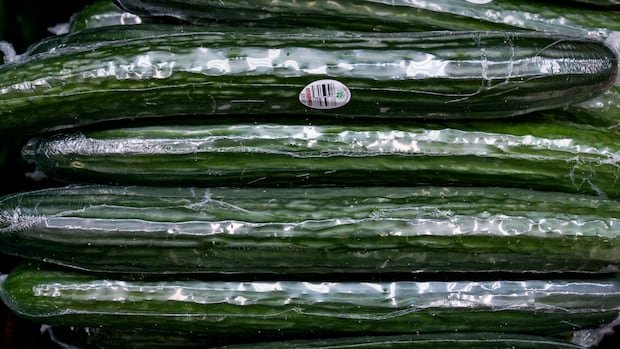

Consumers may be in for a shock when browsing the produce aisles at their local grocery stores. The latest data from Statistics Canada reveals that the cost of fresh vegetables has surged by 7.8% compared to last year, marking the most significant increase since August 2023. While the prices of beef and coffee have also risen notably, it’s the humble cucumber that has seen the most substantial price hike in recent times.
Over the past year, cucumber prices have skyrocketed by 28.4%, with a noticeable spike since January. In February, the average retail price for a cucumber was $2.21, a stark difference from the $1.54 price tag in March the previous year.
A quick check of various grocery store websites indicates that a single cucumber can now cost anywhere from $2.50 at a Vancouver Loblaws to $2.99 at a Toronto Metro or a St. John’s Sobeys. The scarcity of cucumbers in Canada, coupled with their perishable nature, has made them vulnerable to production shortages, according to Michael von Massow, a food agriculture professor at the University of Guelph in Ontario.
During the colder months, Canada heavily relies on cucumber imports from Mexico and the U.S. Recent challenges in these regions, such as adverse weather conditions and diseases affecting cucumber production, have further exacerbated the supply shortage.
“Unlike other products, cucumbers require the planting of new crops to replenish supply, leaving little room for contingencies,” explained von Massow.
Statistics Canada highlighted cucumbers, peppers, and celery as items that experienced substantial price growth in March due to limited supplies caused by adverse conditions in producing countries.
‘All about fuel’
Despite the typical seasonal price fluctuations for fresh produce, the recent 1.7% increase in fresh vegetable prices in March can be attributed to factors beyond the usual growing patterns, particularly the impact of global fuel prices influenced by geopolitical events.
“The 1.7% increase is primarily driven by fuel costs,” stated von Massow, linking the surge to ongoing conflicts in the Middle East.
Recent global fuel price hikes, triggered by Iran’s actions in response to geopolitical tensions, have led to increased food inflation. TD Bank senior economist Leslie Preston underscored the vulnerability of food prices to rising fuel costs due to the significant role of transportation expenses in the food supply chain.
“Transportation costs play a crucial role in the food sector, especially in Canada where a considerable portion of food is sourced from distant locations. This could potentially drive up food prices in the near future,” warned Preston.
<div