

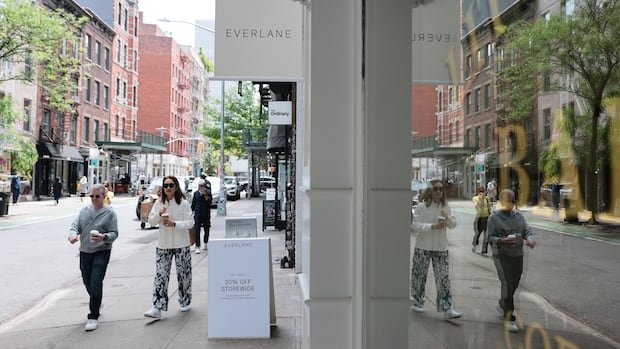

Everlane, the eco-friendly fashion label known for its commitment to transparency, has been acquired by online fast fashion giant Shein. Everlane’s CEO, Alfred Chang, confirmed the sale in a recent statement, emphasizing that Everlane will continue to operate as an independent brand dedicated to sustainability and top-notch quality.
The collaboration between Everlane and Shein aims to enhance the vision of sustainability while expanding the brand’s reach, as stated by Chang. Although Shein did not respond to CBC News’ requests for comments, reports indicate that the sale was approved by Everlane’s board over the past weekend and finalized by private equity firm L Catterton on Friday.
While the financial details of the acquisition remain undisclosed by Everlane, reports suggest that the deal valued the brand at $100 million US. Everlane, facing challenges like declining sales and accumulating $90 million US in debt, has faced criticism from loyal customers who view the acquisition by Shein as a departure from its environmentally conscious ethos.
The backlash from fans reflects concerns over Shein’s fast-paced production of thousands of new items daily, often at remarkably low prices and potentially involving labor practices that have raised ethical questions. In contrast, Everlane’s foundation was built on ethical production practices, sustainability, and a unique “radical transparency” approach that disclosed the costs and sources of materials used in their garments.
The acquisition of Everlane by Shein is part of a broader trend where sustainable fashion brands have encountered difficulties in the market. Companies like Allbirds and Frank and Oak have faced challenges, with some eventually being sold or seeking creditor protection. Despite these setbacks, sustainable brands like Patagonia and Reformation have maintained success, showcasing that sustainability can be a viable business model.
The struggle for sustainable brands lies in competing with the allure of fast fashion’s affordability and constant trend turnover. Consumers’ willingness to pay more for sustainable products often does not translate into purchasing behavior, especially when faced with significantly cheaper alternatives.
As the fashion industry grapples with sustainability, stakeholders like Jess Sternberg of Free Label emphasize the importance of offering additional value beyond ethics to attract consumers. She highlights the need for smaller businesses driven by ethical principles rather than profit motives to lead the way in promoting sustainable practices.
Ken Pucker, a sustainability expert, advocates for structural changes within the fashion industry to enforce accountability for waste and emissions. He asserts that policy changes are essential to drive lasting sustainability in the fashion sector, moving beyond individual efforts towards systemic transformation.