

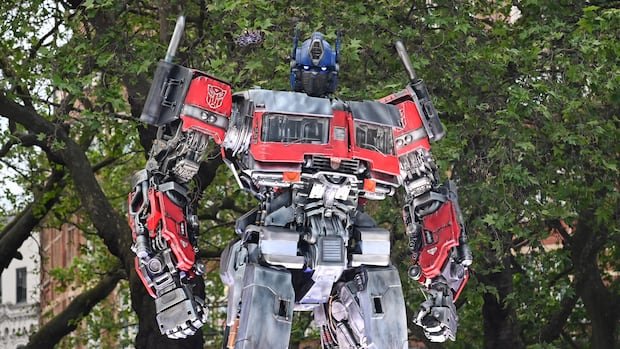

Hasbro, the renowned American toy and games company known for iconic brands like Transformers, Power Rangers, and G.I. Joe, has introduced artificial intelligence versions of 12 popular characters. This move, according to experts, may bring both entertainment and potential risks for children.
The lineup includes well-known figures such as Optimus Prime, Megatron, G.I. Joe’s Cobra Commander, Mr. Potato Head, and the cast of the board game Clue. These AI characters are now available for licensed use in various interactive experiences and enterprise applications.
Hasbro’s new initiative aims to combat the unauthorized use of popular characters that consumers often encounter across different platforms. The company has partnered with Sixth Wall, an AI studio, and ElevenLabs, an expert in human-AI interaction, to bring these characters to life through AI technology.
A key aspect of this development is the introduction of “behavioural licensing,” a novel form of intellectual property licensing that governs the actions, thoughts, and speech of characters. This will be facilitated by CharacterOS, a system that ensures safety protocols are maintained during interactions with these AI personalities.
CEO Chris Cocks expressed excitement about the potential this initiative brings for innovative play and storytelling opportunities while safeguarding the authenticity of the characters. The focus is primarily on users aged 13 and above, with no current plans for AI products targeted at young children.
Voice actors have lent their talents to provide voices for the AI characters, ensuring authenticity by using authorized source material. Concerns raised by experts include the potential impact on children’s relationships and susceptibility to advertising, as well as privacy implications regarding data collection and usage by these AI characters.
The move by Hasbro reflects a broader trend of providing personalized and interactive experiences to fans, akin to strategies employed by celebrity agencies. However, some experts raise questions about the extent of control over fictional characters’ behaviors and personalities, highlighting the delicate balance between enhancing fan experiences and commercial interests.