

Have you been engaging in “wishcycling?”
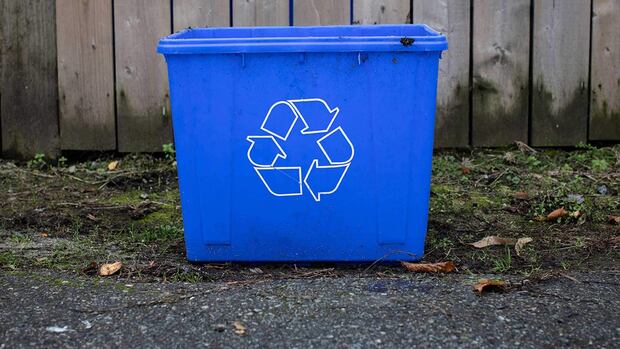
This term combines “wishful thinking” with “recycling,” and it poses a significant challenge to the recycling system in British Columbia.
“Wishcycling occurs when residents or individuals place items into recycling carts that are not recyclable, hoping they will somehow reach the correct destination,” explained Ben Routledge, the manager of solid waste services for the Regional District of Nanaimo, during an interview on CBC’s On the Island.
This concern has escalated in the Nanaimo region, prompting officials to consider implementing fines for those who violate the rules.
Everything you need to know about recycling in B.C.
According to Recycle B.C., the non-profit organization responsible for residential packaging and paper recycling throughout the province, nearly six percent of the materials it processes are contaminated.
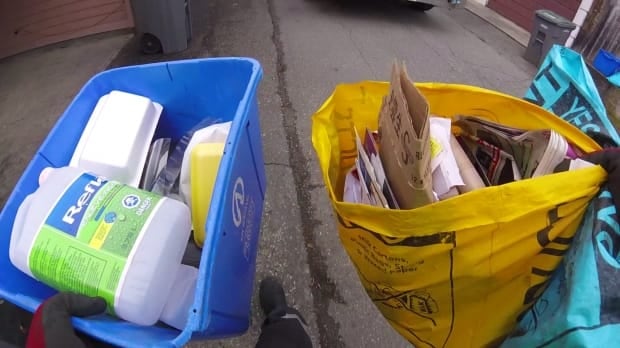
Routledge noted that the most frequently “wishcycled” items include materials that can be recycled at a depot but are unsuitable for curbside collection, such as woven plastic or zipper lock bags. Additionally, containers that are not properly cleaned are also a common issue.
-
How confusion and inconvenience are filling B.C. landfills with recyclable plastics
-
A shot at $1,000 or a guaranteed 10 cents? UBC study suggests choice could up recycling rates
Moreover, the region is observing a troubling rise in the disposal of scrap metal, household appliances, and even hazardous materials such as propane tanks, batteries, and bear spray.
“All of these items can inadvertently be placed into a collection truck, which is then compacted,” he remarked. “These hazardous materials can contaminate surrounding items, potentially explode, or ignite.”
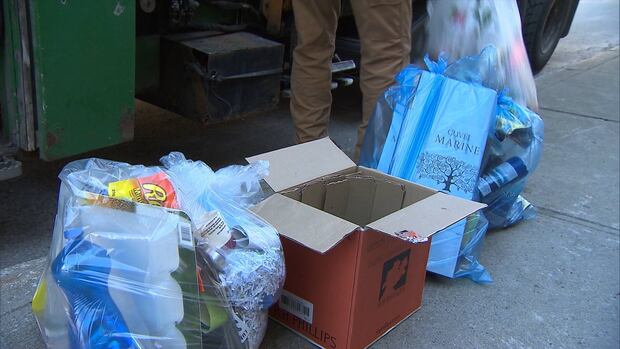
The number of non-recyclable items being put in home recycling bins is growing. Do you know what you can recycle?
Contamination complicates the process of selling paper, plastic, and glass to markets where they are recycled into new products. Loads that are heavily contaminated may be sent to landfills.
Recycle B.C. has established a contamination threshold of five percent.
According to Routledge, the Regional District of Nanaimo has recorded an increase in contamination rates from four percent to 5.4 percent in the past year and a half, with certain loads exceeding 18 percent.
This situation has led outreach teams to begin issuing warnings for non-compliance. Following three violations, residents may incur a fine of $500, and if the issue continues, the district may contemplate halting pickups.
The City of Richmond is also reviewing residents’ bins after its contamination rate rose to 7.3 percent for curbside collections and 11.3 percent for multi-family residences. Those who violate the rules will receive an “oops” sticker on their blue box.
Reducing these contamination rates is crucial — if municipalities allow them to escalate too high, they risk incurring substantial financial penalties.
“If the rate remains above the allowed threshold for an extended period, we could face financial repercussions amounting to as much as $120,000 annually,” Routledge stated.
When a municipality’s contamination exceeds its thresholds on a regular basis, Recycle B.C. indicates that the initial step is to collaborate with the community.
“Financial penalties are only considered if contamination remains consistently high even after these extended efforts,” the non-profit organization informed CBC News via email.
If you are uncertain about whether an item belongs in your recycling bin, you can visit RecycleBC.ca or download the Recycle B.C. app.