


The gardening season traditionally kicks off with the Victoria Day long weekend, and this year, gardeners have access to updated information on plant varieties that can thrive in their region. John Pedlar, a research scientist at the Canadian Forest Service, attributed this shift to changing climate conditions. The recent revision of Canada’s “plant hardiness zone map” provides valuable guidance for nurseries and gardeners in selecting plants suitable for specific climates.
Released by Natural Resources Canada in July last year, the updated map considers factors like rainfall, winter temperatures, and wind patterns to indicate plant survivability. Plant hardiness zones categorize regions with similar climate characteristics, ranging from the challenging 0A to the more favorable 9A. Pedlar emphasized the close relationship between plant survival and climate in these zones.
While the most significant changes occurred in western Canada, areas like Almonte in eastern Ontario saw an increase of a full zone, with places like Kemptville and Smiths Falls moving up by half a zone. This expansion opens up opportunities for gardeners to cultivate cherries, pears, and certain apricot varieties that were previously unsuitable. Notably, Ottawa and Kingston maintained their Zone 5A designation.
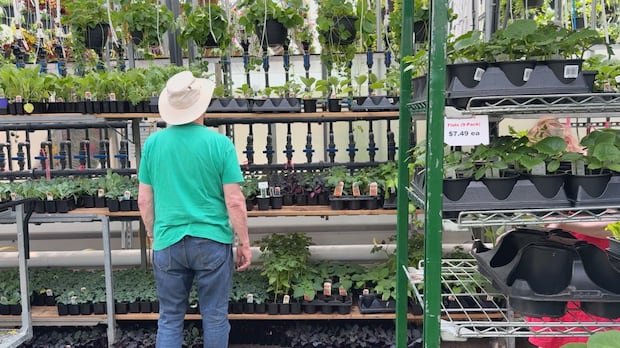
At Robert Plante Greenhouses in east Ottawa, Manager Colin Matassa highlighted the need for regular inventory updates to align with the evolving climate. Matassa noted the increasing plant options available for local cultivation and mentioned that plants are labeled with their respective hardiness zones for easy identification by customers. This weekend, typically the busiest for the greenhouse, saw a surge in interest from customers like Christine Dobson, who sought plants suitable for their climate while redesigning their yard.
While the updated hardiness zones present new possibilities for gardeners, Pedlar emphasized that they also reflect ongoing climate change. However, the changes remain relatively modest for now, with Pedlar clarifying that this adjustment does not mean Ontario will suddenly start growing tropical fruits like bananas.