


Clearwater River Dene Nation in Saskatchewan has adopted a unique approach to educating its students about the environment. Located approximately 520 kilometers north of Saskatoon, the community utilizes a seasonal land-based learning strategy to enhance student engagement in education.
Grade 11 student Landon Moise expressed enthusiasm for the program, emphasizing the diverse opportunities it provides, such as interacting with scientists, participating in sampling activities, collaborating with NexGen in their future mine projects, and engaging with individuals they may not have encountered otherwise.
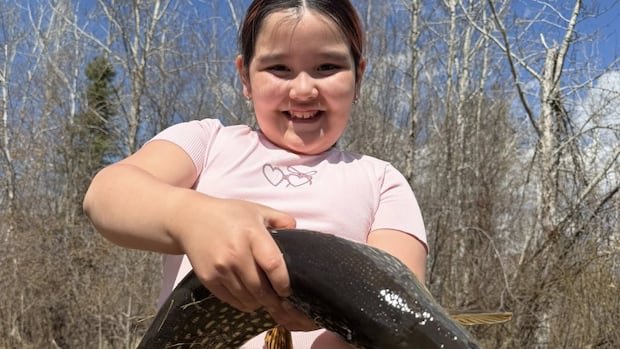
The students have been immersed in learning about the traditional practice of snare fishing. Paul Haynes, the school’s land-based educator, explained the process, which involves crafting a snare using rabbit snare wire attached to a long branch sourced from poplar or birch trees. The pole’s length can vary from four to 12 feet based on the fishing location.
According to Haynes, the key challenge lies in spotting the fish and skillfully aligning the snare to capture it. He highlighted the artistry involved in both observing the fish in the water and successfully catching it, emphasizing the learning curve that students navigate to master the technique.
Following the disruptions caused by the COVID-19 pandemic, the school faced low attendance rates and sought to revamp its teaching methods to rekindle student interest. Haynes noted a shift in student attitudes post-pandemic, with increased engagement and appreciation for the practical skills they acquire through the land-based learning initiatives.
The school’s approach involves pairing older students with younger peers to foster mentorship and safety during outdoor activities. Haynes underscored the success of this intergenerational collaboration, stating that it cultivates a comprehensive learning environment, encompassing individuals of all ages within the community.
The educational program not only imparts traditional fishing techniques but also instills ethical practices in students, emphasizing responsible harvesting and conservation principles. Students are taught to handle fish delicately to protect them from harm and ensure their safe release back into the water. Any caught fish not used for educational purposes are distributed among families to minimize waste.
Moreover, the program integrates cultural teachings from elders, including Doreen Louise Moise and Pauline Fontaine, who play essential roles in passing down ancestral knowledge and practices. The involvement of these elders, revered as “hama” or grandmother figures, enriches the students’ learning experience and underscores the importance of preserving cultural heritage for future generations.
Through hands-on experiences like snare fishing, students like Carmen Haineault appreciate the value of learning these traditional skills and passing them on to younger generations. The program not only imparts practical knowledge but also fosters a sense of pride and responsibility in preserving cultural traditions for the community’s continuity and well-being.