

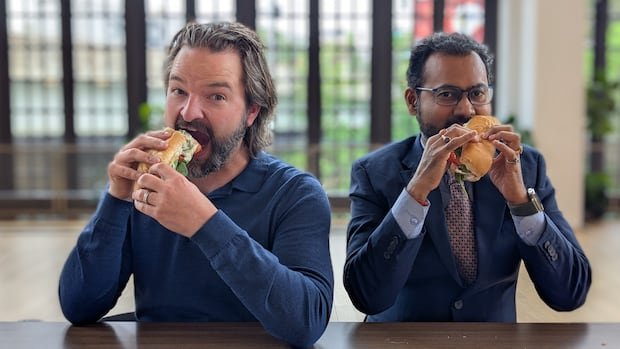

A recent study by researchers at the University of Pittsburgh and the UPMC Hillman Cancer Center revealed that T-cells, a type of white blood cell crucial for fighting infections, become more effective after a meal. The study, published in Nature in April, indicates that nutrition plays a significant role in enhancing immune responses, potentially aiding in immune therapies and optimizing vaccination schedules.
Greg Delgoffe, an immunologist involved in the study, likened the behavior of T-cells to that of an army, highlighting the importance of providing adequate nutrition to support their function. The research involved analyzing blood samples from 31 healthy volunteers taken before and after a meal, showing that post-meal T-cells displayed improved energy utilization and a heightened ability to combat pathogens.
Additionally, the study demonstrated that a balanced diet could enhance the immune system’s response to infections and potentially improve cancer treatments such as CAR-T therapies. These therapies modify T-cells to target cancer cells more effectively, with findings suggesting that T-cells from individuals who had eaten performed better in controlling cancer compared to those from fasting individuals.
Russell Jones, a metabolism and nutrition expert at the Van Andel Institute, emphasized the importance of diet in supporting overall health, particularly in the context of immune responses and cancer treatments. The study underscores the intricate relationship between nutrition, metabolism, and immunity, highlighting the significance of maintaining a balanced diet for optimal health outcomes, whether combating a common cold or battling cancer.