

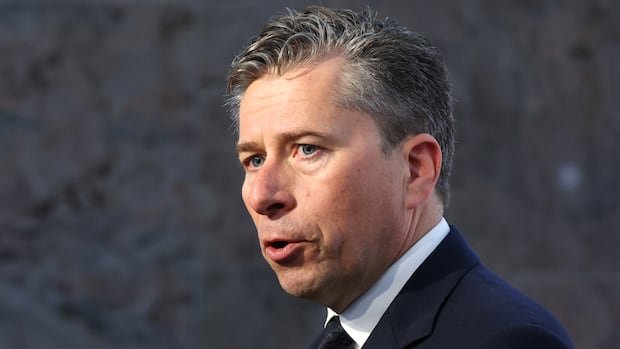

Tom Fletcher, the head of the United Nations’ humanitarian agency, is currently in Somalia witnessing the detrimental effects of increased poverty, hunger, and death, which he believes could have been preventable. According to Fletcher, the U.S. conflict with Iran and the subsequent closure of the Strait of Hormuz are driving up food prices, causing fuel shortages, and hindering the delivery of essential aid to the African nation.
Fletcher highlighted that the funds spent on the U.S. war could have potentially saved tens of millions of lives if directed towards humanitarian aid for the most vulnerable populations worldwide. The United Nations recently issued a global plea for governments to support its initiative aimed at saving 87 million lives, requiring $23 billion in funding, while the U.S. has reportedly spent an estimated $25 billion on the Iran conflict based on Pentagon data.
During an event at Chatham House in London, U.K., Fletcher expressed regret that the war expenditure could have swiftly covered the humanitarian aid costs. He emphasized the urgent need to redirect financial resources to prioritize global humanitarian efforts.
In Somalia, Fletcher observed firsthand the compounding crises faced by the population, including climate emergencies, cuts to foreign aid, existing poverty, conflicts, and the recent impact of the Strait of Hormuz closure. This has led to soaring food and fuel prices, leaving individuals in desperate situations where life-or-death decisions must be made.
Fletcher stressed the importance of reopening the Strait of Hormuz to facilitate the flow of humanitarian supplies and essential resources crucial for the economies of East and sub-Saharan Africa. He also highlighted the stark contrast between the minimal cost of funding humanitarian aid compared to global military expenditures, advocating for a shift in financial priorities towards saving lives.
Moreover, Fletcher addressed the challenges posed by proposed cuts to humanitarian assistance and global health programs, emphasizing the critical need to uphold humanitarian values and principles in the face of donor conditions. He underscored the disproportionate impact of crises on women and girls, emphasizing the importance of prioritizing funding for women-led organizations in humanitarian responses for their unique insights and effective solutions.