

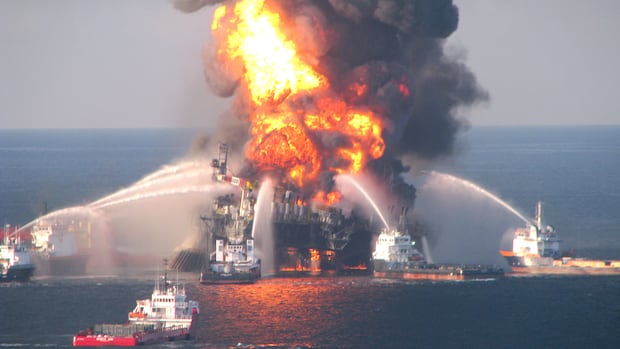

Over 16 years after one of the most catastrophic oil spills ever, an extensive study has revealed that the health of marine life in the Gulf of Mexico continues to be severely compromised.
The Deepwater Horizon oil rig, managed by BP off Louisiana’s coast, suffered an explosion on April 20, 2010, resulting in the deaths of 11 workers and injuries to 17 others. In the subsequent three months, approximately 4.9 million barrels of oil poured into the Gulf, as reported by a U.S. government task force. The environmental disaster inflicted lasting damage on marine ecosystems, effects that are still being felt.
“A significant number of organisms perished immediately,” noted Tracey Sutton, a biological oceanographer at the Guy Harvey Oceanographic Research Center at NOVA Southeastern University in Fort Lauderdale, Florida. Sutton and her team have been investigating the spill’s consequences for several years.
Their findings indicate that certain species experienced declines of between 60 to 85 percent in the three and a half years following the spill. Sutton’s recent report, which integrates an additional eight years of thorough assessments and sampling, was recently published in the Proceedings of the National Academy of Sciences. The situation has not improved over time, according to the researchers.
“The low population levels have remained consistent,” Sutton explained, noting the absence of dense clusters of prey that predators rely on, leading to a “decline in species such as deep-diving whales and dolphins,” in addition to fish, shrimp, and squid.
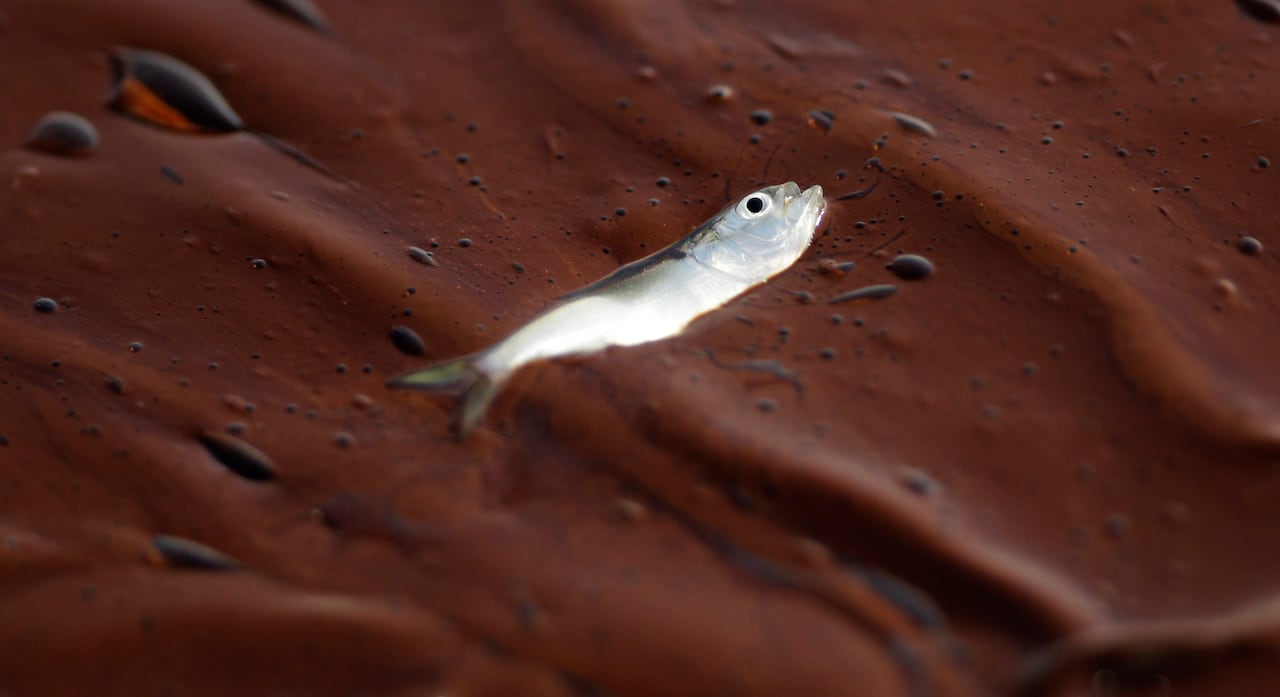
The immediate aftermath of the Deepwater Horizon spill killed lots of marine life, and the authors of a new study say that decline has persisted. (Charlie Riedel/The Associated Press)
Lingering in the deep
The study indicates that the primary reason for this decline is the Deepwater Horizon incident, especially since their sampling continues to uncover traces of the spilled oil.
“We have observed the ongoing presence of some of the most harmful components in the oil, specifically polycyclic aromatic hydrocarbons, or PAHs. This is particularly concerning,” Sutton remarked to CBC News.
The research detected these oil-related substances within the muscle tissues and eggs of deep-sea fish and squid, potentially impacting their health and reproductive capabilities. The authors also propose that these persistent PAHs may impair the olfactory senses of some male fish, which they depend on to locate mates.
Experts in deep-sea ecosystems who were not part of the study affirm that the research accounted for natural variables that could influence fish populations, such as temperature, food availability, and oxygen levels.
“They ruled out all other factors,” stated Fabio De Leo, a senior scientist at Ocean Networks Canada and an adjunct assistant professor at the University of Victoria. “Thus, the likely cause is the 87 days of oil flowing into the Gulf of Mexico.”
Considering environmental factors strengthens the credibility of the report, according to Kelly Robinson, an associate professor at the University of Louisiana at Lafayette’s School of Biological Sciences.
“Sometimes, data can reveal unexpected insights,” Robinson explained. “But if consistent results keep emerging, that likely reflects the reality.”
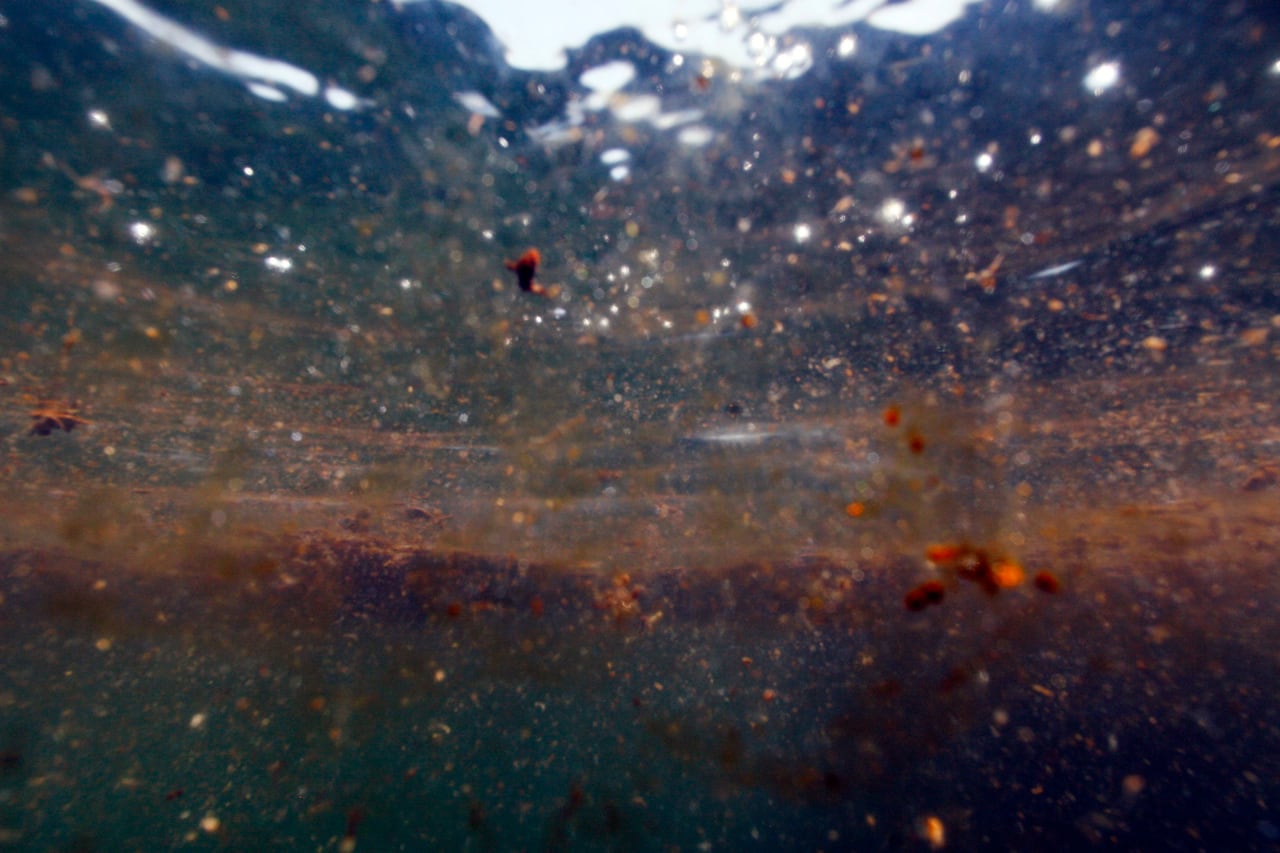
More than a decade later, researchers say chemical compounds from the oil spill have made their way into fish tissue. (Rich Matthews/The Associated Press)
Diverse and essential
Specialists indicate that the adverse effects on marine species extend to the overall Gulf ecosystem, which plays a crucial role in carbon capture in its depths.
The deep pelagic zone, where Sutton and her team have conducted years of research on fish, crustaceans, and cephalopods (like squid), encompasses various depths — ranging from approximately 200 to 1,500 meters below the surface.
While sunlight penetrates only to a certain depth, biodiversity persists in these waters. Lanternfish, stingrays, sperm whales, krill, and a multitude of other aquatic species inhabit these depths and frequently migrate within them.
“It’s important to consider that these animals feed at the surface,” De Leo remarked. “They migrate down and then respire at those depths. Consequently, carbon dioxide dissolves into the water, and they return nutrients back into the ecosystem.”
Robinson likens this process to “a train efficiently transporting energy from the surface to the deep.”
“A decline in this process is akin to removing cars from a train; suddenly, you’re not transporting as much material,” she stated.
These marine species act as a “biological pump” for carbon, contributing to the ocean’s ability to sequester carbon dioxide from the atmosphere, including the surplus greenhouse gases produced by human activities. Although the oceans continue to dissolve CO2 independently, this study illustrates how pollution can undermine this vital oceanic service.
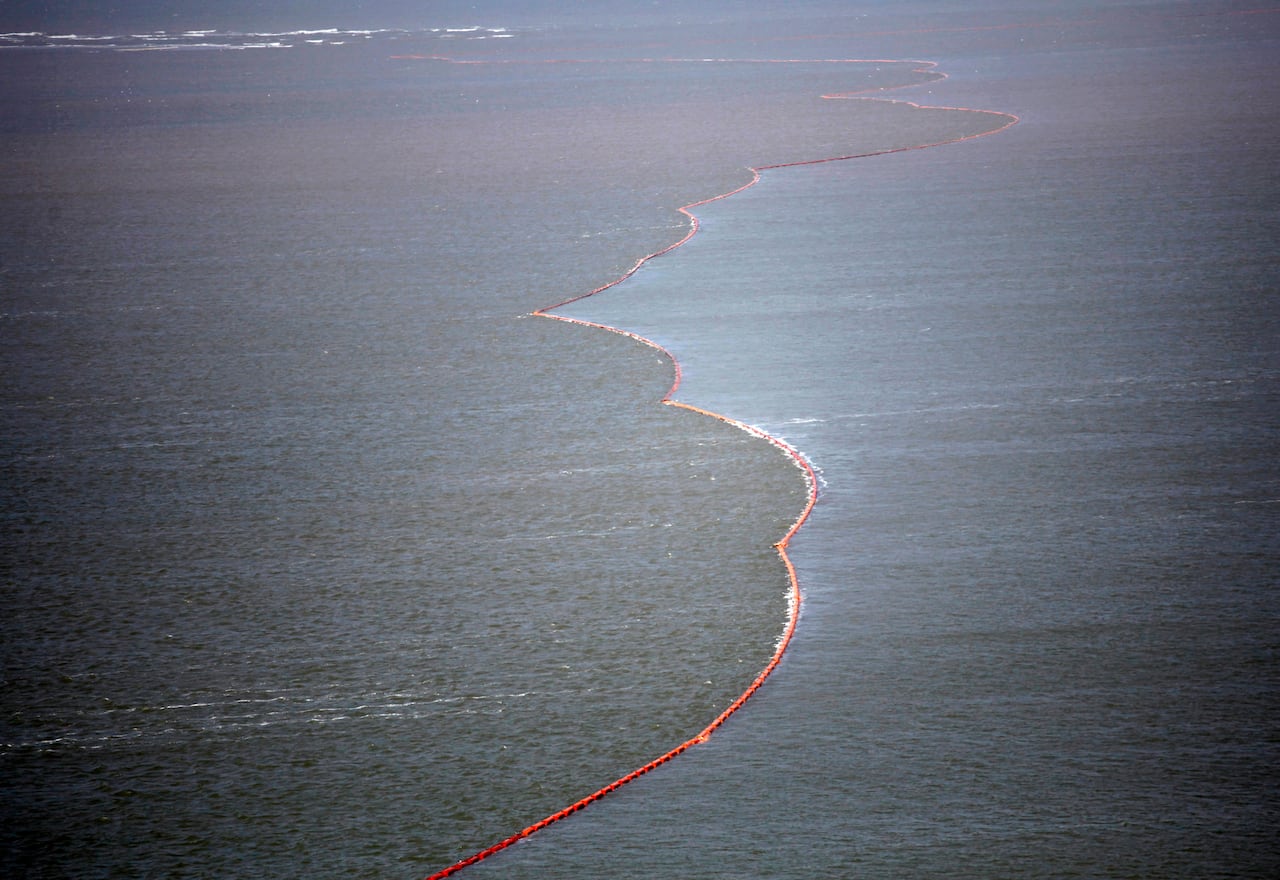
Oil booms like this were deployed to try and contain the oil spill, but the volume proved too much and many failed. (Carlos Barria/Reuters)
Risk of future offshore drilling
The commitment made by the Trump administration to “drill, baby, drill” has increased the push for the U.S. to retrieve more oil and natural gas, including new offshore drilling areas.
In Canada, economic instability has prompted the Carney government to back Pacific Link, a suggested oil pipeline from Alberta to British Columbia’s coast, aimed at international markets. Despite promised ocean protections, experts express concerns about the lasting consequences should an oil tanker experience damage and release oil.
“There’s increasing dialogue around enhancing oil transport in these Pacific regions,” De Leo informed CBC News from Victoria.
“While it’s unlikely that we would see an incident of [Deepwater Horizon’s] scale, increased traffic brings heightened risk.”