



This week’s episode of Quirks & Quarks with Bob McDonald features:
Insights from fossilized vomit about ancient sea monsters
The plesiosaur, a marine predator from the past, was indeed a sea monster. Comparable in size to a subway car, these long-necked animals would snap at the fish swimming nearby and gather shellfish from the ocean floor. However, the shells they ingested did not agree with them, prompting them to swim ashore and regurgitate. Fresh analysis of vomit that dates back 150 million years, unearthed from sediments in the North Sea, has shed light on the dietary habits and behaviors of these Jurassic-era predators. Dirk Knaust, a geologist at the Norwegian energy firm Equinor, shared his research in Geological Magazine.
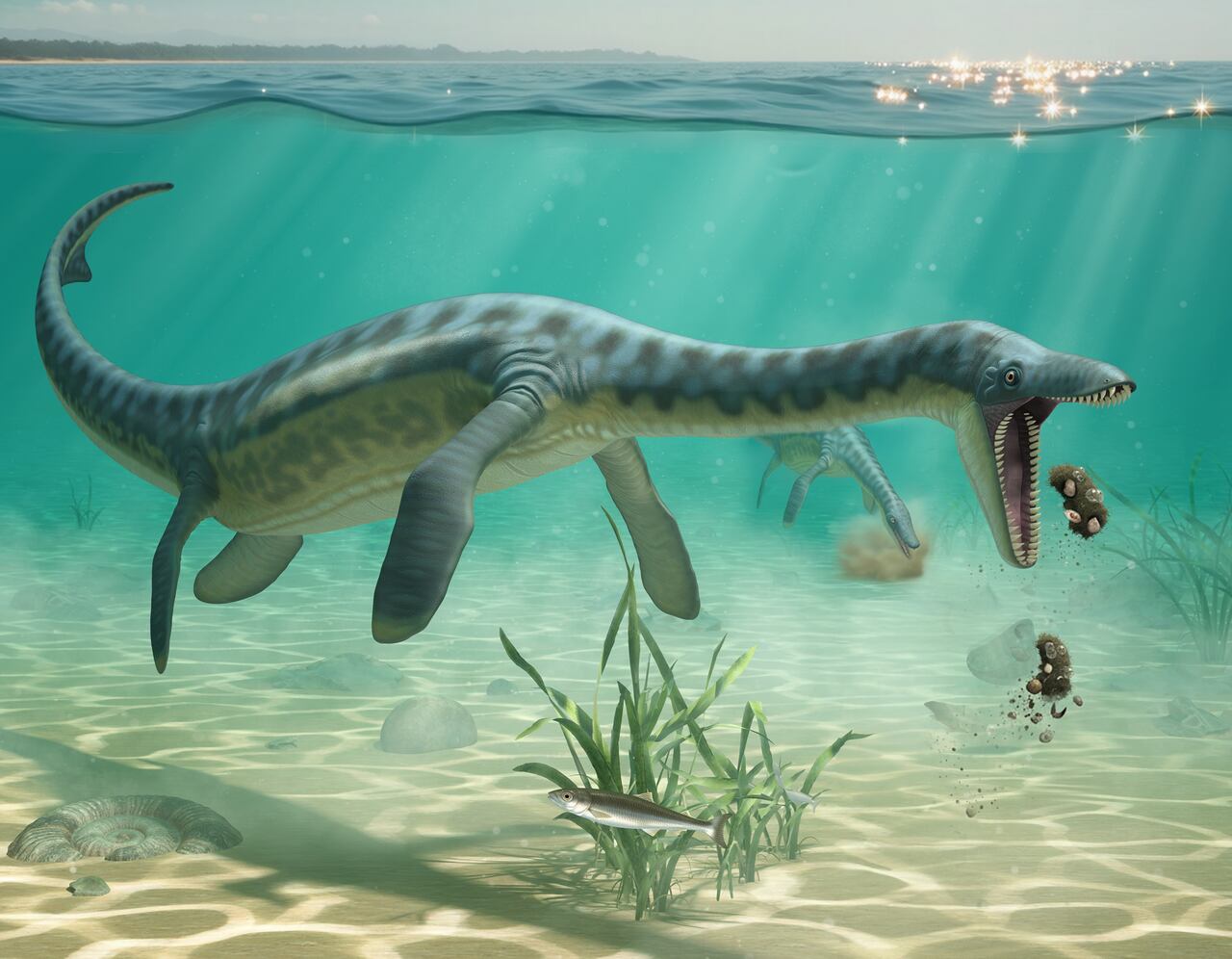
An artistic representation of Jurassic-era plesiosaurs foraging on the ocean floor. (Lente Artemieff)
Introducing the Nobel Prize-winning physicist investigating ghost particles at the South Pole
In 1988, Francis Halzen proposed the innovative concept of integrating a particle detector within a cubic kilometer of ice at the South Pole. This bold idea, once deemed impractical, eventually garnered the support of the right individuals, leading to its realization. By 2011, after extensive testing and construction, the IceCube Neutrino Observatory was operational, marking the first successful detection of high-energy neutrinos from beyond our solar system. Since its inception, IceCube has significantly advanced our understanding of cosmic rays, supermassive black holes, and our own Milky Way galaxy. Recently, Francis Halzen was awarded the 2026 Nobel Prize in Physics for his contributions. We had the opportunity to speak with Halzen, a physicist at the University of Wisconsin-Madison, just after his victory.
Last week, we also interviewed the 2026 Nobel Laureates in Medicine or Physiology, Dr. Karl Deisseroth and Peter Hegemann. You can listen to those discussions here.

Particle physicist Francis Halzen is photographed at the Rectorate of the University of Turin. He received the 2026 Nobel Prize in Physics for his initiatives with the IceCube Neutrino Observatory. (Marco Bertorello/AFP/Getty Images)
Lessons from Jonathan, the 194-year-old tortoise, on conquering mortality
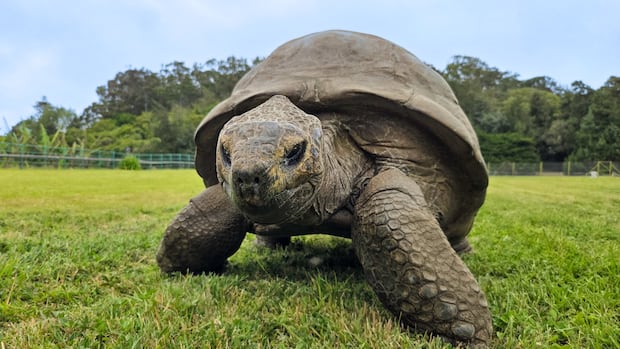
Jonathan, an Aldabra giant tortoise, holds the Guinness World Record as the oldest known terrestrial animal. Estimated to be at least 194 years old, he surpasses the average lifespan of giant tortoises by about a century. A recent study led by a group of longevity researchers examined Jonathan’s genome to uncover secrets behind his remarkable lifespan. Dr. Stephen Clark, a neuro-oncologist and chief scientist at the longevity-focused nonprofit Kallel, and his team discovered that the genomic components regulating gene expression in Jonathan are comparable to those found in five-year-old tortoises. The findings were published in the journal Science Advances.
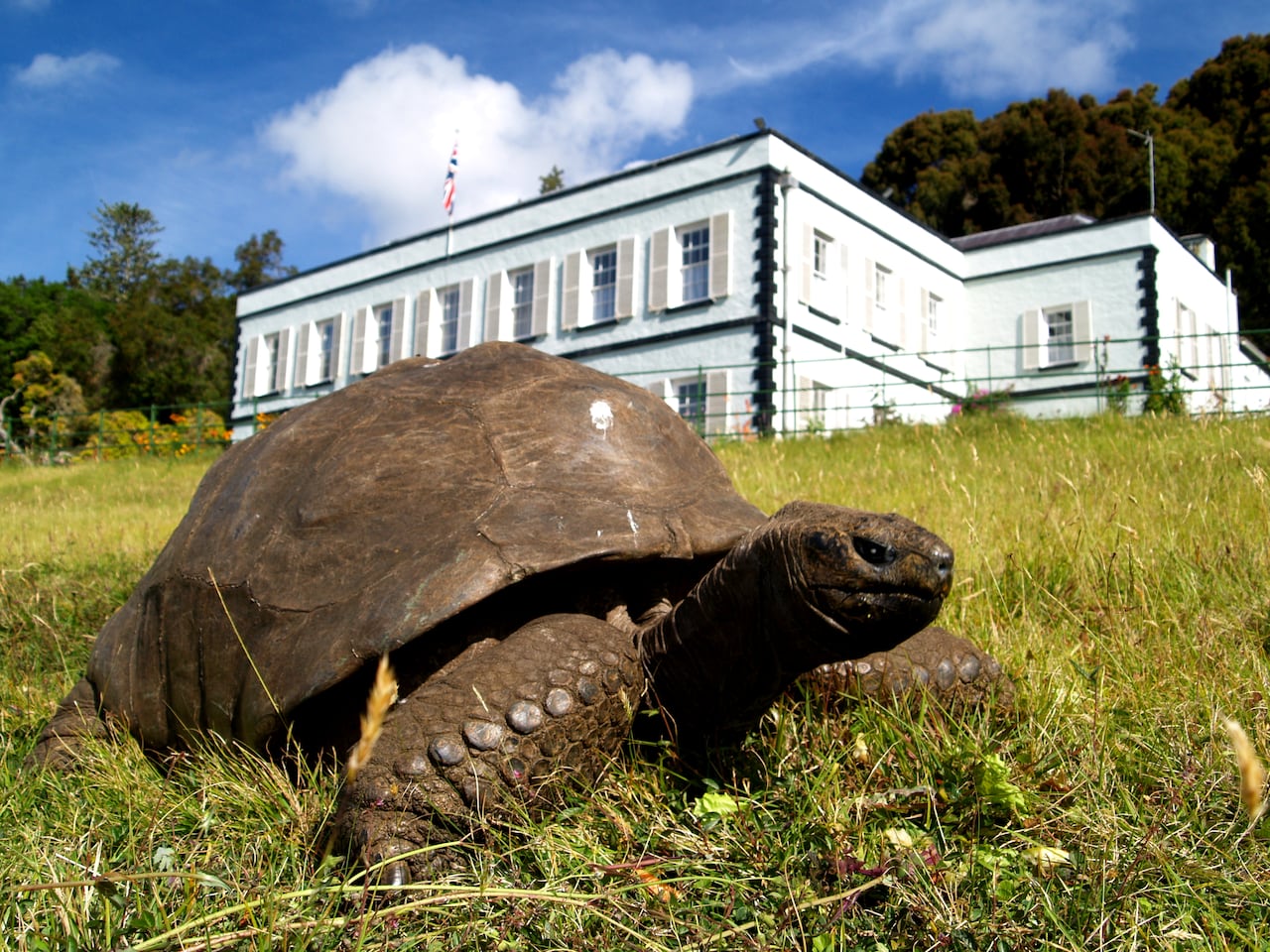
Jonathan resides at the governor’s residence on St. Helena. (Joe Holland)
Nuclear clocks are now operational and may become the most accurate timekeepers globally
The realm of timekeeping has officially transitioned into the nuclear era. Recently, two separate research teams announced the successful creation of the world’s first nuclear clocks, which promise to offer significantly greater precision than atomic clocks. Unlike atomic clocks that track the electronic transitions between energy levels, nuclear clocks operate by exciting a neutron within the nucleus of an atom to a higher energy state. This advancement opens up new possibilities for applications, ranging from GPS technology to the search for dark matter, according to Thorsten Schumm from the Vienna University of Technology, who published his findings in Nature.
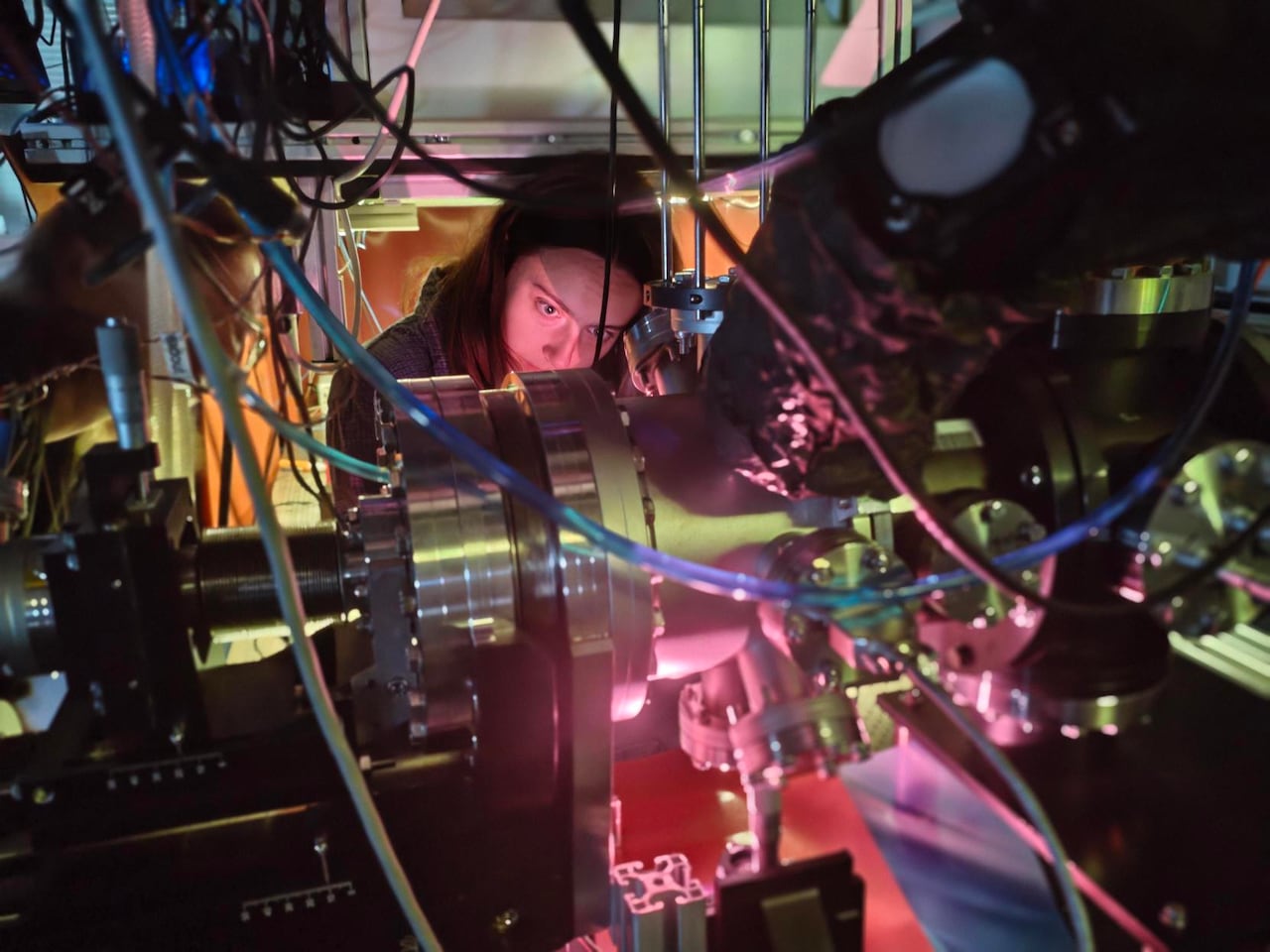
The Vienna University of Technology is home to one of the first nuclear clock prototypes. Staff member Juliette Schlachet-Lépinay adjusts a laser. (Thorsten Schumm/TU Wien)
Extreme wildfires are becoming permanent. This researcher aims to utilize nature for prevention
The escalating intensity of wildfires is proving to be financially burdensome. A new study from Simon Fraser University, published in the journal Environmental Science, indicates that the financial impact of climate change-induced wildfires in Canada could reach over $2 trillion by the century’s end.
Crystal Kolden, a pyrogeographer, emphasizes that the most pressing challenge regarding wildfires is their growing intrusion into populated areas. To address this, she is studying how solutions derived from nature can mitigate the risk of fires. Kolden, who previously fought wildland fires directly before transitioning to academia, has recently taken on the role of Eddie Goldenberg Research Chair of Canada in Wildfire Resilience at the University of British Columbia-Okanagan.
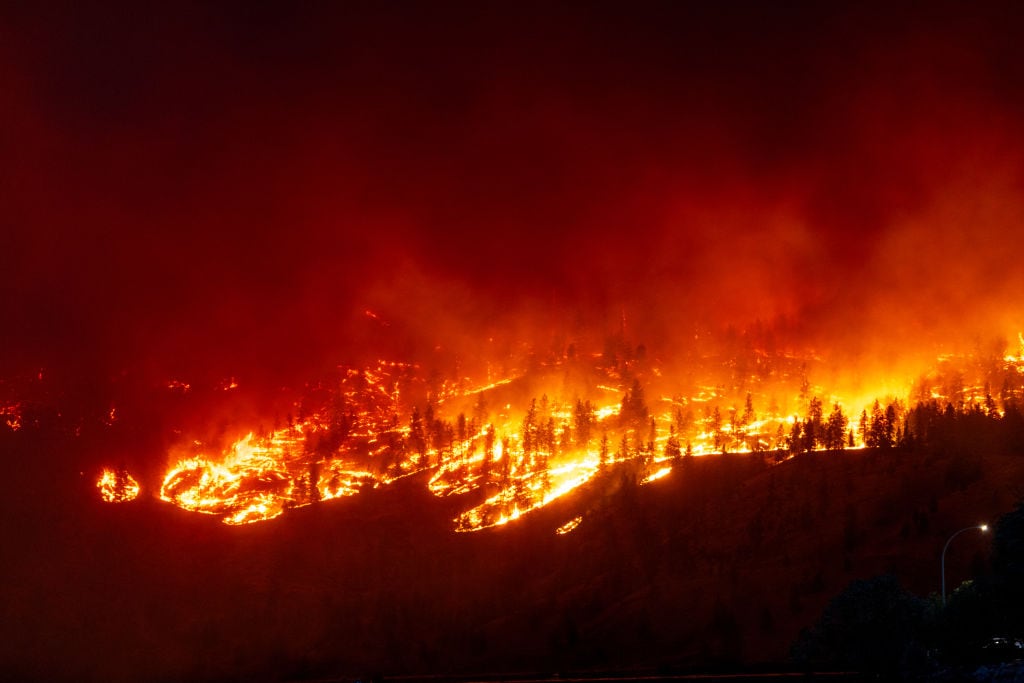
A wildfire devastates the hills of West Kelowna, B.C., posing a threat to local residents, on August 17, 2023. (Darren Hull/AFP/Getty Images)
Tag: rewrite-pending