

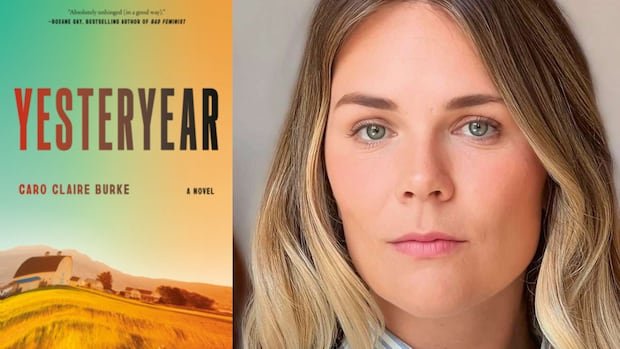

Caro Claire Burke’s first book, “Yesteryear,” tells the story of a contemporary traditional wife influencer who showcases her idyllic farm life to 8 million followers. However, her life takes a drastic turn when she suddenly finds herself in the 1800s, facing the challenges of living without modern conveniences like running water and electricity.
The term “tradwife” refers to influencers on social media platforms like TikTok and Instagram who portray the role of a traditional wife, focusing on homemaking and embracing a conventional lifestyle.
Burke discussed the growing fascination with the traditional wife archetype in today’s culture and politics during an episode of “Bookends with Mattea Roach.” She highlighted how accounts embodying this ideal have gained significant attention, reflecting societal interests in prioritizing family, marriage, and traditional values.
The novel’s protagonist, Natalie Heller Mills, embodies the tradwife trend, offering a unique perspective on fame, tradition, and femininity. Burke, an American author, delves into Natalie’s character, exploring themes of ambition, intelligence, bigotry, and the complexities of traditional gender roles.
Regarding the discourse surrounding tradwives, Burke addressed the conflicting views on whether the term is empowering or derogatory. She emphasized the intersection of gender studies and womanhood, challenging the notion that all choices made by women are inherently feminist.
In crafting Natalie’s character, Burke described her as ambitious, intelligent, and rigid in her beliefs, yet lacking emotional intelligence and struggling to understand herself and others. The acknowledgments of “Yesteryear” mention Anne Hathaway’s pivotal role in shaping Natalie’s character for a potential film adaptation, highlighting the collaborative process between the author and talented artists.
Burke’s acknowledgment of future daughters in the book reflects her exploration of womanhood across generations and the passing down of lessons and values. She finds solace in the idea of women continuing the legacy of empowerment and progress, symbolized by the metaphor of passing the baton to future generations.
As Burke navigates themes of tradition, identity, and empowerment in “Yesteryear,” her storytelling delves into the complexities of gender roles, societal expectations, and the evolving dynamics of womanhood.